
Serving middle eastern appetizers before dinner is a long-standing tradition that goes far beyond simply “starting a meal.” In many cultures across the Middle East, food is not just about eating—it is about hospitality, connection, and shared experience.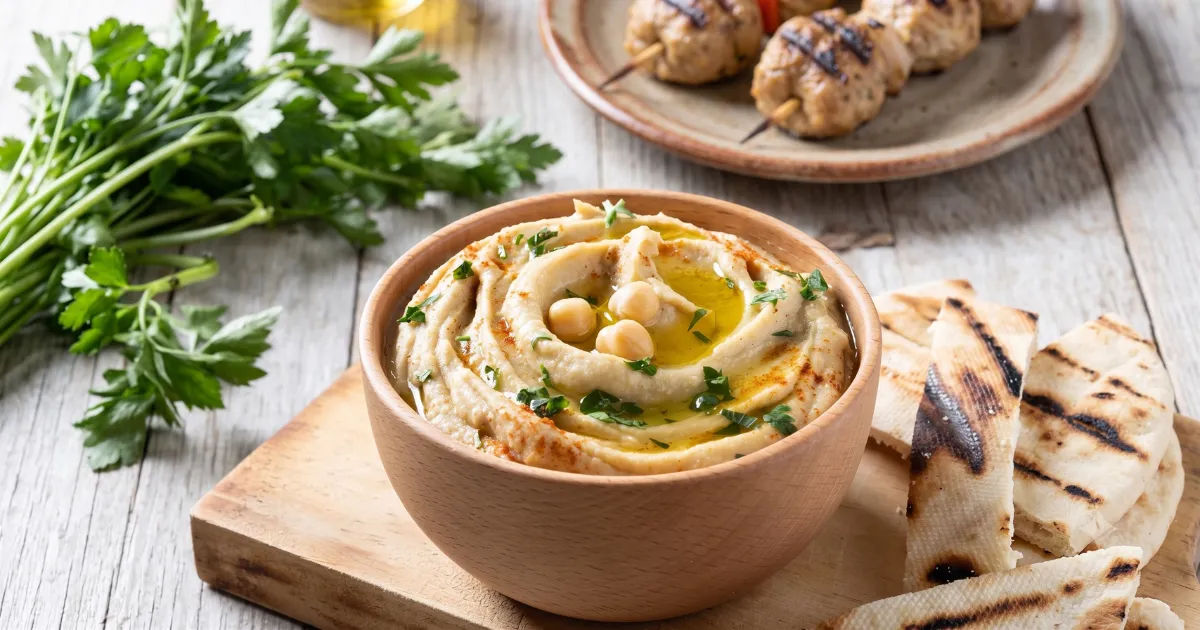
Middle eastern appetizers play a central role in setting the tone for the entire dining experience. They are not rushed or treated as an afterthought; instead, they are carefully prepared and presented to welcome guests and prepare both the body and mind for the main meal.
When people think about middle eastern appetizers, they often picture colorful mezze spreads filled with hummus, baba ghanoush, olives, fresh bread, and salads.
These small dishes are designed to awaken the senses, encourage conversation, and create a relaxed atmosphere before dinner begins. The idea is simple but meaningful: food should bring people together, not just fill the stomach.
In this guide, we will explore why middle eastern appetizers are traditionally served before dinner, their cultural meaning, health benefits, and how they enhance modern dining experiences. By the end, you will understand why this practice has remained so important for centuries and why it continues to inspire dining tables around the world.
The Cultural Importance of Pre-Dinner Appetizers
In Middle Eastern hospitality, food is a symbol of respect and generosity. Serving middle eastern appetizers before dinner is a way of honoring guests and making them feel welcomed. In traditional households, guests are rarely asked to wait for the main dish without something to enjoy first.
These appetizers are part of the mezze tradition, which encourages sharing multiple small plates. This reflects values of community, togetherness, and openness. Instead of individual portions, everyone shares from the same table, creating a sense of unity.
The presence of middle eastern appetizers also shows preparation and care. A well-prepared mezze spread signals that the host has taken time and effort to ensure guests feel comfortable. This cultural habit transforms dining into a social ritual rather than a simple act of eating.
In many families, conversations begin over these small dishes long before dinner arrives. This helps break the ice, especially when guests may not know each other well. The food becomes a bridge between people.
How Appetizers Stimulate the Appetite
One of the practical reasons for serving middle eastern appetizers before dinner is to stimulate appetite. These dishes are usually light, flavorful, and rich in herbs and spices. Ingredients like lemon, garlic, olive oil, and fresh vegetables prepare the digestive system for a heavier main course.
When people begin eating small portions of middle eastern appetizers, their senses are activated. The smell, texture, and taste signal the body that food is coming, increasing hunger naturally. This is especially helpful in long dinner settings where the main course may take time to prepare or serve.
Unlike heavy starters, middle eastern appetizers are designed not to fill you up too quickly. Instead, they gently awaken your appetite. This allows diners to enjoy the main meal more fully without feeling overwhelmed or overly full at the beginning.
This balance between lightness and flavor is one reason why these appetizers have become popular worldwide, even outside the Middle East.
The Mezze Experience and Variety of Flavors
A key feature of middle eastern appetizers is variety. The mezze table often includes dozens of small dishes, each offering a different flavor and texture. From creamy dips to crisp vegetables and savory pastries, the spread is designed to satisfy different preferences.
This variety makes middle eastern appetizers especially enjoyable in group settings. Everyone can find something they like, and trying different combinations becomes part of the experience.
The mezze tradition also encourages slow eating. Instead of rushing through one dish, guests take time to explore many flavors. This pacing naturally leads into dinner without pressure or rush.
Another important aspect is balance. A mezze table often includes both rich and light options. This ensures that middle eastern appetizers prepare the palate without overwhelming it. The combination of salty, sour, creamy, and fresh elements creates harmony in the meal.
Encouraging Social Connection at the Table
One of the strongest reasons middle eastern appetizers are served before dinner is their role in encouraging conversation. Food brings people together, and small shared plates make interaction easier.
When guests are passing dishes, asking questions about ingredients, and sharing bites, natural conversation flows. This creates a warm and welcoming environment, especially in formal or new social settings.
Unlike plated meals where each person focuses only on their own food, middle eastern appetizers promote sharing. This simple act builds trust and connection among guests.
In many Middle Eastern cultures, the meal before dinner is just as important as the main course itself. The appetizers are not rushed; instead, they are enjoyed slowly while talking, laughing, and building relationships.
Timing and Digestion Benefits
Another important reason for serving middle eastern appetizers before dinner is related to digestion. Light appetizers give the stomach time to prepare for more substantial food.
Many middle eastern appetizers include ingredients that are easy to digest, such as yogurt, chickpeas, olive oil, and fresh herbs. These ingredients help stimulate digestive enzymes and improve nutrient absorption.
Eating small portions before dinner also prevents overeating. When the body has already started digesting light foods, it is easier to recognize fullness signals during the main meal.
This makes middle eastern appetizers not only culturally meaningful but also practically beneficial for health and comfort.
Flavor Balance Before the Main Course
A well-designed meal is about balance, and middle eastern appetizers play a key role in achieving it. They introduce a range of flavors that prepare the palate for the main dish.
For example, tangy dips like yogurt-based sauces can contrast with richer meat dishes served later. Fresh salads cleanse the palate, while spiced spreads add depth and complexity.
This layering of taste ensures that the main course feels more enjoyable. Without middle eastern appetizers, the meal may feel one-dimensional or too heavy from the start.
By starting with smaller, flavorful dishes, diners experience a gradual build-up of taste. This makes the entire dining experience more satisfying.
Modern Dining and Global Influence
Today, middle eastern appetizers are not limited to traditional homes or regional restaurants. They have become popular in global dining culture. Restaurants around the world now serve mezze-style plates as starters or sharing platters.
This global popularity comes from their flexibility. Middle eastern appetizers can fit casual dinners, formal events, and even fusion cuisine. Their small portions and bold flavors make them ideal for modern dining trends.
In many countries, people now serve mezze-inspired appetizers at parties because they are easy to prepare and encourage social interaction. This shows how deeply the tradition has influenced global food culture.
Even modern chefs continue to reinterpret middle eastern appetizers, adding new ingredients while preserving traditional techniques.
Health Benefits of Starting with Light Foods
From a nutritional perspective, middle eastern appetizers offer several benefits. Many dishes are plant-based or include healthy fats from olive oil and nuts.
Starting a meal with vegetables, legumes, and yogurt-based dishes helps reduce overall calorie intake during dinner. This is because lighter foods create early fullness signals.
Additionally, middle eastern appetizers often contain antioxidant-rich ingredients like parsley, tomatoes, and garlic. These support overall health and well-being.
The emphasis on fresh, minimally processed ingredients makes these appetizers a healthier choice compared to many heavy Western starters.
Visual Appeal and Presentation
Food is also about appearance, and middle eastern appetizers are known for their vibrant presentation. Bright greens, deep reds, creamy whites, and golden browns create an inviting table.
Presentation plays a psychological role in appetite. When food looks appealing, people are more likely to enjoy it. This is another reason middle eastern appetizers are served before dinner—they set the visual tone for the meal.
A beautifully arranged mezze table also shows care and hospitality. It communicates that the meal is special and worth enjoying slowly.
Creating a Relaxed Dining Atmosphere
Serving middle eastern appetizers before dinner helps slow down the pace of eating. In modern life, people often rush meals, but appetizers encourage a more relaxed approach.
By starting with small plates, guests are encouraged to sit, talk, and enjoy the moment. This reduces stress and improves the overall dining experience.
The slow progression from appetizers to dinner allows people to appreciate each stage of the meal. This rhythm is an important part of Middle Eastern dining culture.
Conclusion
The tradition of serving middle eastern appetizers before dinner is deeply rooted in culture, hospitality, and practicality. It is not just about food—it is about connection, respect, and shared experience. These appetizers prepare the body for food, stimulate appetite, and create a welcoming social environment.
From mezze spreads filled with variety to light, flavorful ingredients that aid digestion, middle eastern appetizers offer both cultural and health benefits. They encourage conversation, slow down the pace of eating, and enhance the enjoyment of the main course.
In today’s global food culture, this tradition continues to grow in popularity because it fits modern lifestyles while preserving ancient values. Whether at home or in a restaurant, starting a meal with middle eastern appetizers transforms dinner into an experience rather than just a routine.
Ultimately, the reason to serve them before dinner is simple: they bring people together, prepare the senses, and make every meal more meaningful.