
A urine test is one of the most commonly used medical tests to evaluate health conditions, especially infections in the urinary tract. Many people search for answers about urine testing, including concerns like how long does pee last for a drug test and how reliable urine samples are for detecting disease.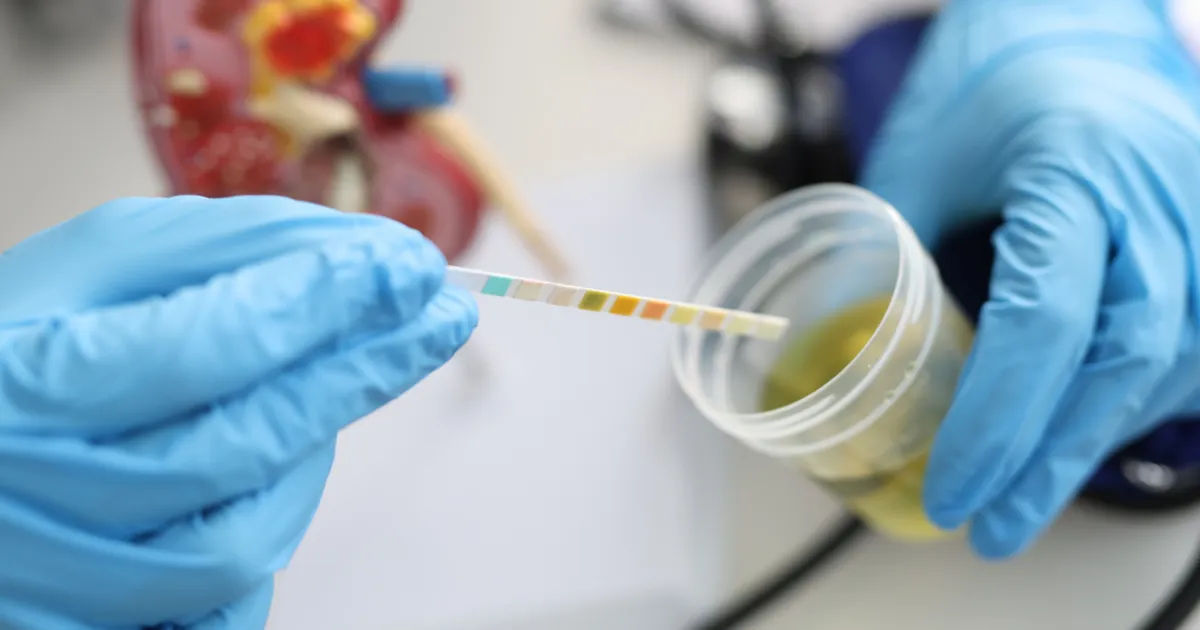
Understanding what a urine test can reveal helps reduce confusion and anxiety around medical results.In simple terms, a urine test can detect infection by identifying bacteria, white blood cells, and chemical changes in urine. However, the accuracy and interpretation depend on many factors such as symptoms, hydration, and testing methods.
People often also wonder about unrelated concerns like how long does pee last for a drug test, even when the main purpose of a urine test is to diagnose infection or monitor health.This guide explains how urine tests work, what infections they can detect, how results are interpreted, and what limitations exist. It is written in a simple, easy-to-understand way suitable for a 12th-grade reading level. We will also clarify common myths and provide practical advice for patients.
What Is a Urine Test?
A urine test, also called urinalysis, is a laboratory examination of urine. It is used to check for a wide range of health conditions including infections, kidney problems, and metabolic disorders.
Urine is a waste product made by the kidneys, and it carries important information about what is happening inside the body. Doctors analyze its color, concentration, and chemical makeup.
Many people first hear about urine testing in contexts unrelated to infection, such as employment screening or medical clearance, where questions like how long does pee last for a drug test often come up. However, in medical settings, the goal is usually to detect diseases rather than screen for substances.
Can a Urine Test Detect Infection?
Yes, a urine test can detect infections, especially urinary tract infections (UTIs). It is one of the fastest and most reliable ways to identify bacterial growth in the urinary system.
When bacteria enter the urinary tract, they multiply and cause inflammation. This leads to changes in urine composition that can be detected in a lab.
Doctors often look for:
- White blood cells (indicating infection)
- Nitrites (produced by bacteria)
- Bacteria under a microscope
Even though some people associate urine testing with questions like how long does pee last for a drug test, the medical purpose here is entirely different. Infection detection focuses on biological markers rather than drug metabolites.
A properly collected sample is very important for accuracy. Contaminated samples can lead to incorrect results.
Types of Infections Detected by Urine Tests
Urine tests can detect several types of infections, including:
Urinary Tract Infections (UTIs)
UTIs are the most common infection detected through urine testing. They can affect the bladder, urethra, or kidneys.
Kidney Infections
More serious infections that may require immediate treatment.
Bladder Infections
Often part of lower UTIs and usually cause burning urination and frequent urges.
Sexually Transmitted Infections (STIs)
Some STIs like chlamydia and gonorrhea can be detected through urine samples.
People sometimes confuse infection testing with unrelated concerns such as how long does pee last for a drug test, but infection testing focuses on bacteria and immune response, not timing or substance detection.
How Urine Detects Infection
Urine becomes a useful diagnostic tool because it directly passes through organs that may be infected.
White Blood Cells
White blood cells are part of the immune system. Their presence in urine usually means the body is fighting an infection.
Nitrites
Some bacteria convert nitrates in urine into nitrites. This is a strong indicator of bacterial infection.
Bacteria
Under a microscope, lab technicians can directly observe bacteria in urine samples.
These indicators help doctors confirm infection quickly. In contrast, topics like how long does pee last for a drug test relate more to sample viability in different contexts, not infection diagnosis.
Symptoms That Lead to Urine Testing
Doctors recommend urine tests when patients show symptoms such as:
- Burning sensation while urinating
- Frequent urination
- Cloudy or strong-smelling urine
- Lower abdominal pain
- Fever or chills (in severe cases)
If symptoms are present, a urine test can quickly confirm infection and guide treatment.
Even though people sometimes search how long does pee last for a drug test out of curiosity about urine stability, medical testing here focuses on symptom-related diagnosis.
Accuracy of Urine Tests
Urine tests are generally accurate when done properly. However, several factors can affect results:
Proper Collection
A midstream clean-catch sample is recommended to avoid contamination.
Timing of the Test
Early morning samples are often more concentrated and reliable.
Lab Analysis
Advanced lab techniques increase accuracy significantly.
Despite high reliability, false positives or false negatives can still occur.
Some people confuse accuracy issues with unrelated concerns like how long does pee last for a drug test, but infection detection relies on biological markers, not storage duration.
Limitations of Urine Testing
Although urine tests are useful, they have limitations:
- They may not detect very early infections
- Some bacteria require urine culture for confirmation
- Contamination can affect results
- Not all infections show clear signs in urine
Doctors may order additional tests if results are unclear.
It is important to understand that questions like how long does pee last for a drug test do not affect infection diagnosis, as medical interpretation is based on laboratory findings.
Urine Culture vs. Standard Urinalysis
A standard urinalysis provides quick results, but a urine culture gives more detailed information.
Urinalysis
- Fast results
- Detects signs of infection
- Used for initial screening
Urine Culture
- Identifies exact bacteria
- Determines antibiotic sensitivity
- Takes 24–72 hours
Both tests may be used together for accurate diagnosis.
Even though some people associate urine testing with concerns like how long does pee last for a drug test, infection testing is focused on microbial growth rather than substance detection.
How to Prepare for a Urine Test
Preparation is simple:
- Drink normal amounts of water
- Avoid excessive fluids before test
- Follow doctor’s instructions
- Use a sterile container
Proper preparation ensures accurate results.
Interestingly, unrelated questions like how long does pee last for a drug test often appear in search trends, but preparation for infection testing is much simpler and medically focused.
Treatment After Infection Detection
If an infection is found, treatment depends on severity and type:
Antibiotics
Most bacterial infections are treated with antibiotics.
Increased Fluid Intake
Helps flush bacteria from the urinary system.
Pain Relief
Doctors may recommend medication to reduce discomfort.
Timely treatment prevents complications such as kidney infections.
Even though people may search how long does pee last for a drug test, infection management is centered on eliminating bacteria, not urine storage or testing timelines.
Prevention of Urinary Infections
Preventive steps include:
- Drinking plenty of water
- Urinating regularly
- Maintaining hygiene
- Wiping properly after using the toilet
- Avoiding holding urine for long periods
Healthy habits reduce infection risk significantly.
Concerns like how long does pee last for a drug test are unrelated to prevention but often appear in general urine-related searches.
When to See a Doctor
You should see a doctor if:
- Symptoms persist for more than 2 days
- Fever develops
- Pain becomes severe
- Blood appears in urine
Early diagnosis ensures faster recovery.
People sometimes mix up infection symptoms with other urine-related topics like how long does pee last for a drug test, but medical evaluation should always focus on symptoms.
Common Myths About Urine Tests
Myth 1: Urine tests are only for drug testing
False. They are mainly used for diagnosing medical conditions.
Myth 2: Infection can be diagnosed without lab tests
Not always accurate.
Myth 3: Drinking water can hide infection
Hydration does not remove bacteria.
Searches like how long does pee last for a drug test often create confusion between different types of urine testing, but infection diagnosis is medically distinct.
Importance of Early Diagnosis
Early detection of infection through urine testing helps:
- Prevent complications
- Reduce pain and discomfort
- Speed up recovery
- Avoid kidney damage
Medical professionals rely on urine tests because they are quick and reliable indicators of infection.
Even though unrelated phrases like how long does pee last for a drug test appear in online searches, they do not impact diagnostic value in medical testing.
Conclusion
Urine testing is a simple yet powerful diagnostic tool that helps detect infections in the urinary system. It works by identifying bacteria, white blood cells, and chemical changes in urine. Conditions like UTIs, kidney infections, and bladder infections can all be detected through this method.
While many people encounter general urine-related search terms such as how long does pee last for a drug test, it is important to understand that infection testing is completely different from drug-related concerns. Medical urine tests focus on biological markers, not storage or detection timing.
With proper collection, accurate lab analysis, and timely medical attention, urine tests provide reliable results that help doctors diagnose and treat infections effectively. Understanding how these tests work can help reduce confusion and improve health awareness.