
In today’s fast-paced corporate world, the success of a business event often depends on more than just the content or the venue. One crucial element that is sometimes overlooked is meetings and events transportation.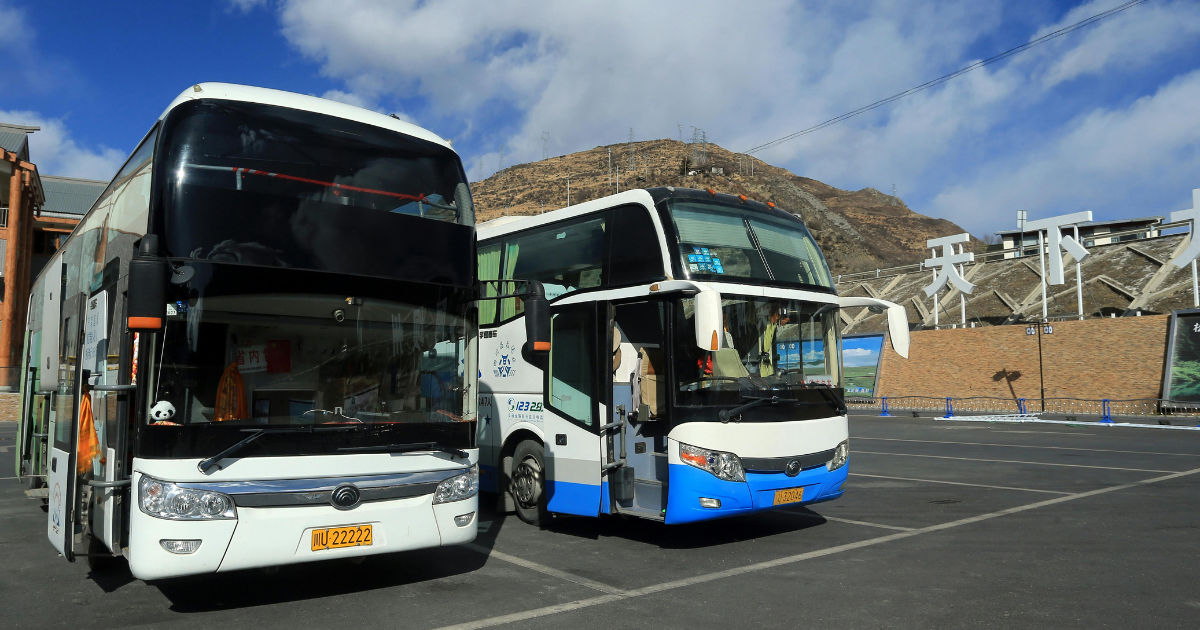
Whether you are organizing a small corporate meeting, a large conference, or a gala event, the way attendees arrive, move around, and depart can significantly impact their experience and the overall success of your event.
From ensuring punctuality to creating a professional impression, transportation plays a pivotal role in business events.
In this guide, we will explore why meetings and events transportation is so important, the challenges it addresses, strategies for effective transportation planning, and tips to enhance the attendee experience.
The Importance of Transportation in Meetings and Events
When organizing a meeting or an event, the focus often lies on securing the perfect venue, arranging catering, and inviting speakers. However, without proper transportation planning, even the best events can face logistical issues.
Ensuring Punctuality
Punctuality is critical in business settings. Delays can disrupt the schedule of a meeting or conference, frustrate speakers, and create a negative impression on attendees. Meetings and events transportation ensures that guests arrive on time, eliminating stress and keeping the event on track.
Enhancing Professionalism
Transportation services, especially premium or corporate shuttle services, contribute to the professional image of your organization. Attendees notice the details, and a smooth arrival and departure experience can leave a lasting impression of efficiency and reliability.
Reducing Stress for Attendees
Traveling to a venue, especially in unfamiliar cities, can be stressful. Coordinated transportation minimizes this anxiety. Attendees can focus on the event itself instead of worrying about directions, parking, or traffic delays.
Safety and Security
Professional transportation services prioritize safety. From trained drivers to well-maintained vehicles, organized transportation ensures the security of attendees, which is particularly important for high-profile events or when transporting executives.
Common Challenges in Meetings and Events Transportation
Even the most carefully planned events can face transportation challenges if they are not addressed proactively.
Traffic and Delays
Urban traffic congestion is unpredictable and can cause attendees to arrive late. Pre-arranged transportation with real-time monitoring can help mitigate these delays.
Inadequate Parking
Large events often struggle with limited parking space. By providing organized transportation from designated parking areas or hotels, event planners can avoid congestion and frustration.
Diverse Attendee Locations
Events may attract attendees from different parts of a city or country. Coordinating pickups, drop-offs, and transfers can be complex without a structured transportation plan.
Accessibility Issues
Not all attendees may have the same mobility level. Ensuring accessible transportation options for everyone, including individuals with disabilities, is essential for inclusivity.
Communication Gaps
Without clear communication, attendees may miss transportation schedules or have difficulty locating pick-up points. Proper signage, mobile apps, and notifications can prevent such issues.
Benefits of Effective Meetings and Events Transportation
Investing time and resources in professional meetings and events transportation offers several advantages.
Improved Attendee Experience
When transportation is organized, attendees feel valued. Stress-free travel allows them to focus on networking, learning, and participating fully in the event.
Time Management
Efficient transportation keeps the event on schedule. Sessions start and end on time, and networking breaks are maintained, ensuring a seamless flow throughout the day.
Cost Efficiency
Though arranging professional transportation may seem costly, it often saves money in the long run. Reduced delays, fewer missed sessions, and less parking management expenses can offset initial costs.
Brand Reputation
Smooth logistics reflect well on your organization. Attendees remember events where everything ran smoothly, and transportation plays a key role in that perception.
Flexibility and Adaptability
Professional transportation providers can adjust schedules, reroute vehicles in case of traffic, and handle unexpected changes, offering flexibility that self-managed transportation cannot match.
Key Elements of Transportation Planning for Meetings and Events
Proper planning is essential for ensuring a seamless transportation experience. Here are the main elements to consider:
Pre-Event Planning
-
Understand attendee locations: Identify where most attendees are coming from and plan routes accordingly.
-
Vehicle selection: Choose appropriate vehicles depending on group size and preferences—buses, vans, luxury cars, or shuttles.
-
Schedule coordination: Create detailed timelines for pick-ups, drop-offs, and transfers.
Communication and Coordination
-
Provide attendees with clear information about pick-up points, schedules, and transportation policies.
-
Use technology like mobile apps, email updates, or SMS alerts to keep attendees informed in real-time.
Professional Drivers
-
Hire trained drivers who understand the local routes and can handle last-minute changes.
-
Drivers should prioritize safety and provide a courteous, professional experience.
Contingency Planning
-
Prepare backup routes and vehicles in case of traffic delays, vehicle breakdowns, or unexpected weather.
-
Have staff available to guide attendees, especially for large events with multiple transportation points.
Post-Event Transportation
-
Ensure smooth transportation after the event, helping attendees reach hotels, airports, or other destinations efficiently.
-
Consider feedback collection to evaluate the effectiveness of the transportation plan for future events.
Tips for Enhancing Meetings and Events Transportation
To maximize the benefits of meetings and events transportation, event planners can implement several strategies:
Centralized Pick-Up Points
Instead of multiple scattered pick-ups, centralize transportation at hotels or designated areas. This simplifies logistics and reduces confusion.
Shuttle Services
For large events, shuttle buses between the venue, hotels, and key locations reduce parking needs and help maintain punctuality.
VIP or Executive Transport
Offer premium vehicles for speakers, sponsors, or executives to provide comfort and convenience.
Real-Time Tracking
Use GPS tracking for vehicles and provide real-time updates to attendees. This transparency enhances trust and reduces anxiety.
Eco-Friendly Options
Consider electric or hybrid vehicles to reduce the event’s environmental footprint, which can also enhance the organization’s image.
Collaboration with Local Authorities
For major events, coordinate with traffic authorities to manage road closures, parking zones, or dedicated lanes for event vehicles.
Accessibility Considerations
Ensure vehicles are accessible for individuals with disabilities and provide assistance as needed to make the event inclusive.
Common Transportation Solutions for Meetings and Events
Several options are available depending on the type and scale of the event:
Corporate Shuttle Services
Ideal for conferences and corporate meetings, shuttles can transport large groups efficiently while reducing logistical challenges.
Limousines and Luxury Cars
For VIP guests, luxury transportation offers comfort, privacy, and professionalism.
Ride-Sharing Partnerships
Events can collaborate with ride-sharing platforms to offer discounts or streamline pickups and drop-offs.
On-Demand Transportation
For smaller events or last-minute needs, on-demand transportation services provide flexibility and convenience.
Group Bus Rentals
For seminars, workshops, or team-building events, buses ensure timely arrival while fostering networking opportunities during transit.
Case Studies: Successful Transportation Management
Corporate Conference Example
A global company hosting a three-day conference for 500 attendees arranged shuttle services from three major hotels to the venue. Real-time GPS tracking and clear communication ensured everyone arrived on time, and post-event feedback indicated high satisfaction with transportation logistics.
Trade Show Example
A trade show in a busy metropolitan area faced parking challenges. By partnering with a local transportation provider, attendees were shuttled from nearby parking facilities, eliminating congestion and enhancing the attendee experience.
Gala Event Example
A charity gala offered VIP transport for donors and sponsors using luxury vehicles. This not only provided convenience but also strengthened the organization’s professional image, encouraging higher engagement and contributions.
Mistakes to Avoid in Meetings and Events Transportation
Even experienced planners can make errors that affect transportation:
-
Underestimating attendee numbers: Leads to overcrowded vehicles or delays.
-
Ignoring peak traffic hours: Can result in late arrivals.
-
Lack of clear communication: Attendees may miss pick-ups or get lost.
-
Overlooking accessibility needs: Can alienate some participants.
-
Failing to plan post-event transport: Leaves attendees frustrated after the event.
Avoiding these mistakes ensures smooth operations and enhances overall event success.
Measuring the Success of Your Transportation Plan
After the event, it’s important to evaluate how transportation impacted the overall experience:
-
Attendee feedback: Surveys can provide insights on punctuality, comfort, and convenience.
-
Timeliness analysis: Track if vehicles adhered to schedules.
-
Incident reports: Document delays, accidents, or complaints to improve future planning.
-
Cost vs. benefit: Compare expenses to the value added in attendee satisfaction and operational efficiency.
Continuous improvement helps ensure better results for subsequent events.
Conclusion
Professional meetings and events transportation is not just about moving attendees from point A to point B. It is an integral component of event planning that affects punctuality, professionalism, attendee satisfaction, and overall event success. By addressing challenges such as traffic, parking, accessibility, and communication, and by implementing strategic transportation solutions, event planners can ensure a seamless experience for participants.
From corporate conferences to trade shows and gala events, effective transportation contributes to time management, cost efficiency, and brand reputation. Investing in well-organized transportation demonstrates attention to detail and a commitment to attendee comfort and safety.
In short, when planning any meeting or event, transportation should be treated as a top priority. Proper planning, professional services, and continuous improvement can transform transportation from a logistical necessity into a key factor that enhances the overall success of the event.
By recognizing the value of meetings and events transportation, organizers can deliver events that are not only well-executed but also memorable, stress-free, and professional, leaving attendees with a lasting positive impression.