
Miraj Green Makkah is often associated with comfort, hospitality, and the rich cultural environment of the holy city of Makkah.
When people think about Miraj Green Makkah, they usually imagine a peaceful stay close to sacred places, but the experience of the city also includes something equally important—its traditional food culture.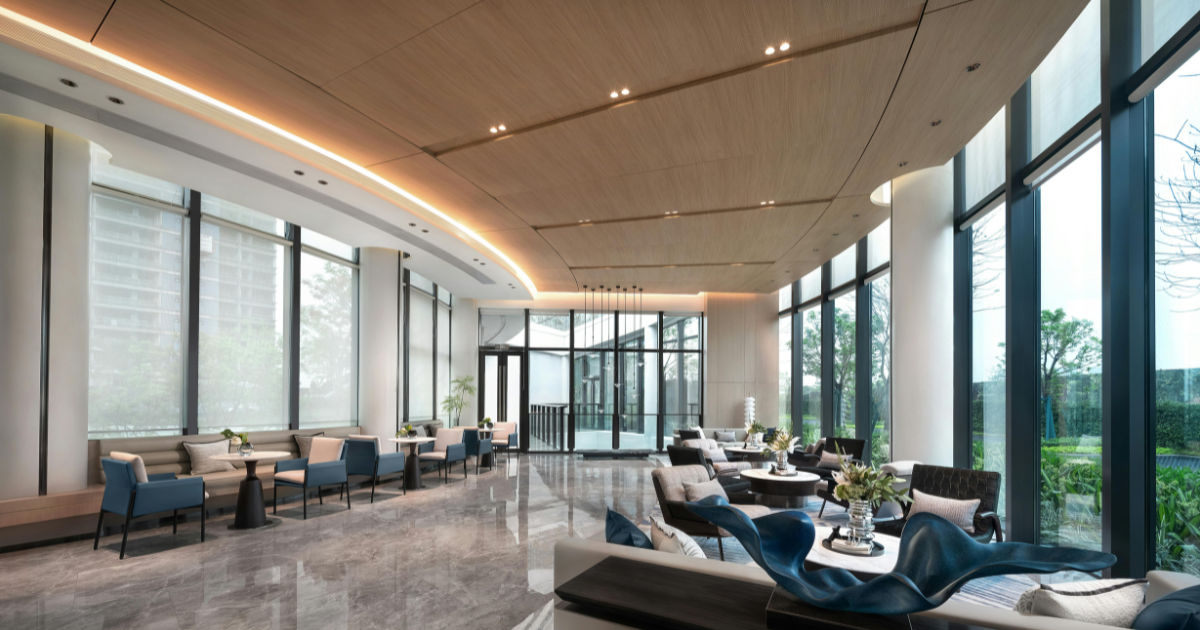
In this guide, we will explore Miraj Green Makkah in connection with the authentic dishes served in Makkah and how food reflects the heritage of the region.
The topic of Miraj Green Makkah also helps us understand how travelers experience local cuisine during their spiritual journey.
The cuisine of Makkah is influenced by Arab, Asian, and African flavors, shaped over centuries of pilgrimage and trade.
In this article, we will cover breakfasts, main meals, desserts, street food, and cultural food traditions while consistently connecting them to Miraj Green Makkah as part of the overall experience. You will also see how Miraj Green Makkah represents more than just accommodation—it symbolizes the gateway to exploring traditional food in the holy city.
The Culinary Heritage of Makkah
The food culture in Makkah is deeply rooted in hospitality. Pilgrims from all over the world bring their own traditions, which blend into local cuisine. In many hotels and accommodations like Miraj Green Makkah, guests experience this diversity in everyday meals. The influence of Miraj Green Makkah in modern hospitality settings reflects how traditional dishes are preserved and served to international visitors.
Makkah’s cuisine is known for:
- Rich rice-based dishes
- Slow-cooked meats
- Fragrant spices like cardamom and cinnamon
- Dates and sweets
- Shared communal meals
The environment of Miraj Green Makkah often mirrors this tradition by offering guests authentic food experiences inspired by local heritage. In fact, many travelers associate Miraj Green Makkah with their first taste of Saudi Arabian traditional meals.
Traditional Breakfast Dishes in Makkah
Breakfast in Makkah is simple yet nourishing. In places like Miraj Green Makkah, mornings often begin with a blend of local and international dishes. The presence of Miraj Green Makkah in hospitality settings ensures that visitors experience authentic flavors even at the start of their day.
1. Ful Medames
Ful Medames is a staple breakfast dish made from fava beans, olive oil, garlic, and lemon juice. It is often served with bread and vegetables. In Miraj Green Makkah, this dish is commonly offered to give guests a traditional start to their day.
2. Tamees Bread
Tamees is a soft, fluffy bread baked in clay ovens. It is usually eaten with cheese, honey, or beans. The breakfast menus at Miraj Green Makkah often include Tamees to reflect local eating habits.
3. Labneh and Olives
Labneh is a creamy yogurt-based dish served with olives and olive oil. Many visitors staying at Miraj Green Makkah enjoy this light and healthy option.
4. Dates and Milk
Dates hold cultural and religious significance. At Miraj Green Makkah, dates are often paired with milk for a traditional and energizing breakfast.
The breakfast culture in Miraj Green Makkah reflects simplicity, nutrition, and heritage.
Traditional Lunch Dishes in Makkah
Lunch is the main meal of the day in Makkah and is often rich and filling. Guests at Miraj Green Makkah are frequently introduced to hearty traditional meals during lunch hours.
1. Kabsa
Kabsa is the most famous dish in Saudi Arabia. It is a rice dish cooked with meat (chicken, lamb, or goat), tomatoes, and a blend of spices. In Miraj Green Makkah, Kabsa is a signature dish served to international guests.
2. Mandi
Mandi is another rice and meat dish cooked in a traditional underground oven. The smoky flavor makes it unique. Many restaurants associated with Miraj Green Makkah serve Mandi as a specialty.
3. Jareesh
Jareesh is made from crushed wheat cooked with meat and spices. It has a soft porridge-like texture. At Miraj Green Makkah, this dish is often introduced as part of cultural dining experiences.
4. Saleeg
Saleeg is a creamy rice dish cooked in milk and served with roasted chicken. It is a comfort food often enjoyed in Miraj Green Makkah dining halls.
Lunch meals in Miraj Green Makkah highlight the richness of Saudi cuisine and its hospitality traditions.
Traditional Dinner Dishes in Makkah
Dinner in Makkah is lighter but still flavorful. In Miraj Green Makkah, dinner menus are designed to reflect both tradition and comfort.
1. Grilled Meat (Mashawi)
Grilled lamb, chicken, and beef are common evening dishes. The smoky flavor is popular among guests staying in Miraj Green Makkah.
2. Shawarma
Shawarma is one of the most popular street foods in Makkah. It consists of sliced meat wrapped in bread with garlic sauce and vegetables. Many visitors at Miraj Green Makkah enjoy shawarma as a quick dinner option.
3. Harees
Harees is made from wheat and meat cooked into a smooth paste. It is often served during special occasions. At Miraj Green Makkah, it is sometimes included in traditional buffet nights.
4. Soup and Light Salads
Soups made from lentils or vegetables are commonly served. These light meals are part of the dining experience at Miraj Green Makkah.
Dinner in Miraj Green Makkah focuses on balance and comfort after a long day of travel or worship.
Traditional Desserts in Makkah
Desserts in Makkah are rich, sweet, and often made with dates, honey, and nuts. In Miraj Green Makkah, dessert culture is an important part of hospitality.
1. Kunafa
Kunafa is a cheese-based dessert soaked in sweet syrup. It is widely loved by guests at Miraj Green Makkah.
2. Basbousa
Basbousa is a semolina cake soaked in syrup and often topped with almonds. It is a regular dessert served in Miraj Green Makkah.
3. Luqaimat
Luqaimat are small fried dough balls coated with honey or date syrup. They are popular during Ramadan and are often available in Miraj Green Makkah.
4. Date-Based Sweets
Dates are used in many desserts, including stuffed dates and date cakes. At Miraj Green Makkah, these sweets reflect local traditions.
Desserts in Miraj Green Makkah highlight the sweetness of Saudi hospitality.
Street Food Culture in Makkah
Street food is a vibrant part of Makkah’s culinary identity. Around the city and near accommodations like Miraj Green Makkah, visitors can find a wide range of snacks.
Popular Street Foods
- Falafel sandwiches
- Shawarma wraps
- Grilled corn
- Fresh juices
- Sambousek (savory pastries)
Street food near Miraj Green Makkah reflects the fast-paced lifestyle of pilgrims and tourists. Many guests at Miraj Green Makkah enjoy exploring these flavors after long days of travel.
Cultural Influence on Makkah Cuisine
Makkah’s food culture is shaped by millions of pilgrims from different countries. This diversity is also reflected in Miraj Green Makkah, where international guests influence menu variations.
The blending of flavors includes:
- Yemeni spices
- Indian rice techniques
- Egyptian bread styles
- Levantine mezze
The experience of staying in Miraj Green Makkah often introduces travelers to this cultural mix. It shows how food becomes a universal language in the holy city.
Food Traditions During Ramadan and Hajj
During Ramadan and Hajj seasons, food takes on special importance. In Miraj Green Makkah, meals are carefully prepared to serve large numbers of pilgrims.
Iftar Meals
- Dates and water
- Soup and bread
- Rice and meat dishes
Suhoor Meals
- Light meals like yogurt
- Bread with cheese
- Fruits and dates
The role of Miraj Green Makkah during these seasons is significant, as it provides structured and traditional meals to guests.
Hospitality and Dining Experience in Makkah
Hospitality is a core value in Makkah. In places like Miraj Green Makkah, food is not just nourishment but a symbol of care and respect.
Dining experiences often include:
- Buffet-style meals
- Shared family dining
- Traditional serving methods
The presence of Miraj Green Makkah enhances the cultural experience of eating in the holy city. Guests often remember the warmth and generosity associated with their meals.
Modern Influence on Traditional Food
While traditional dishes remain strong, modern influences are also visible. In Miraj Green Makkah, chefs often combine traditional recipes with modern presentation styles.
Examples include:
- Fusion rice bowls
- International breakfast options
- Modern dessert plating
Even with modernization, Miraj Green Makkah continues to preserve authentic flavors.
Conclusion
The traditional dishes of Makkah reflect centuries of cultural exchange, hospitality, and spiritual significance. From Kabsa and Mandi to Kunafa and Luqaimat, every dish tells a story of tradition and community. The experience of food becomes even more meaningful when connected to Miraj Green Makkah, where hospitality meets cultural authenticity.
Throughout this guide, we explored how Miraj Green Makkah is closely associated with traditional meals served in Makkah, from breakfast to dinner and desserts. It also highlights how Miraj Green Makkah plays a role in introducing international visitors to authentic Saudi cuisine.
In the end, food in Makkah is not just about taste—it is about connection, culture, and shared experience. Whether you are a pilgrim or a traveler, the flavors experienced through Miraj Green Makkah remain a memorable part of the journey.