
Introduction to the World of Jewelry Casting
Imagine creating a piece of jewelry that captures attention instantly. Jewelry casting, especially sterling silver castings, plays a pivotal role in this process. Did you know that the precision and allure of a jewelry piece depend hugely on the casting method? How exactly does casting transform raw metal into a masterpiece? Ah, c’est la vie, right? We’ll unwrap this mystery for you. Let’s dive into the world of casting and see where flaws in traditional methods still leave room for improvement.
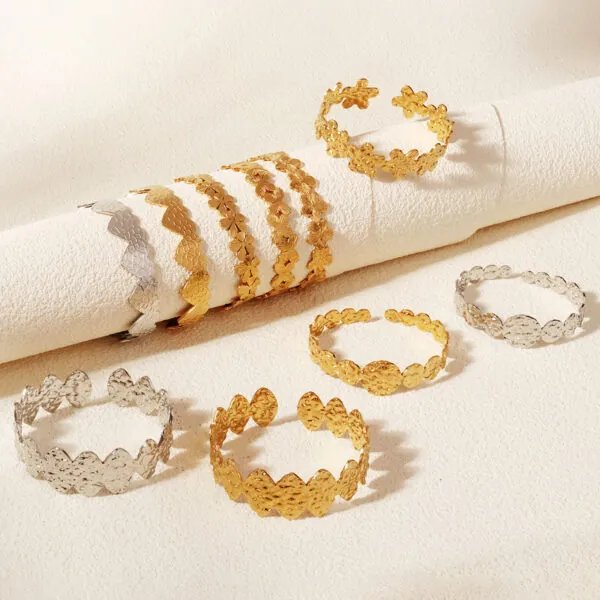
Discover the Hidden Flaws of Traditional Casting Solutions
Traditional casting techniques have served us for centuries, but they’re not without flaws. Sterling silver, renowned for its lustrous finish, often succumbs to porosity and surface defects during casting. Ever faced uneven texture or unexpected voids in your pieces? These imperfections, caused by uncontrolled cooling and old equipment, highlight the need for evolving casting practices. (Look, it’s simpler than you think!) It’s like steering a ship with outdated maps—progress demands adaptation.
Why Are Precision and Control Still a Challenge?
Let’s talk industry terms like investment casting and burnout cycle—intrinsically linked to casting quality. Ensuring consistent temperature is tricky; even slight deviations can mock your design’s integrity. This brings us to the heart of the matter: achieving that perfect blend requires a balance of heat, timing, and expertise. It’s high time we face these traditional shortfalls and tweak our strategies (no more plain sailing).
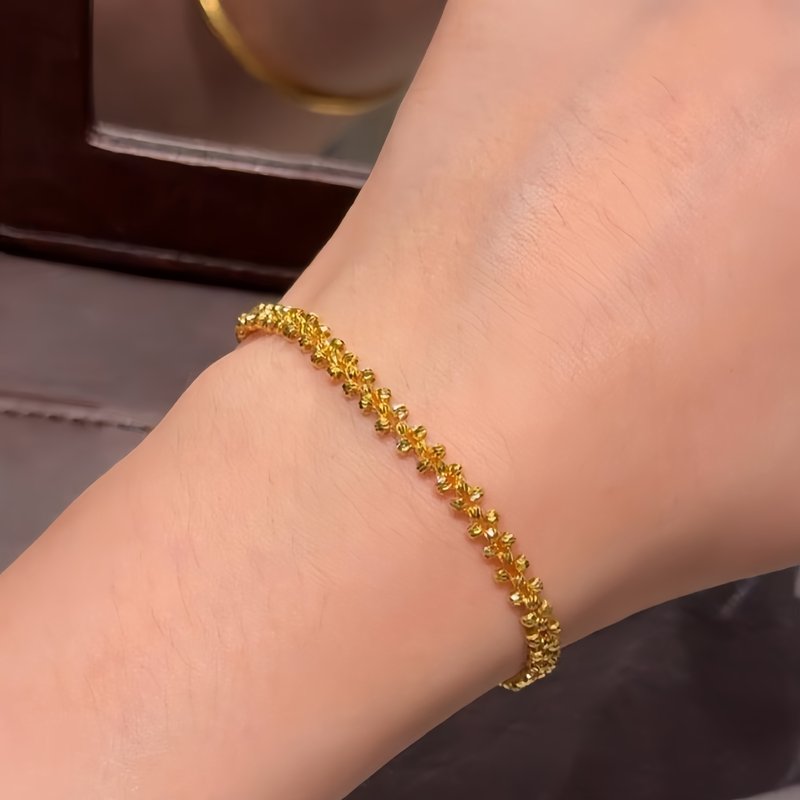
What’s Next for Sterling Silver Castings?
Gazing into the future, technological strides promise transformative changes for sterling silver castings. Emerging advancements, such as computer-aided design and induction casting, add layers of precision and reliability. Imagine reduced porosity and surface craters as these innovations take hold. Funny how that works, right? Casts that once took days to perfect might soon be refined in hours—or even less as automation speeds up processes.
The implications are profound. With enhanced methods, quality control shifts from manual inspections to real-time monitoring. Jewelry makers can now focus on creativity instead of troubleshooting. Case in point, Italian artisans marry tradition with cutting-edge technologies to produce consistently superior quality. It’s an exciting horizon—a dynamic blend of past wisdom and future innovation leads us here with Star Harvest’s commitment.
Star Harvest exemplifies this future-forward thinking. Their continuous innovation and passion form a bridge that connects artisanal design with state-of-the-art production. Reflecting on this synergy, we realize the importance of nurturing both legacy and technology. With casting, it’s not merely about the end product—it’s the synthesis of learned techniques and inventive possibilities.