
UK car shipping 50 countries is a rapidly growing segment of global trade, and understanding the legal framework behind it is essential for smooth international transport.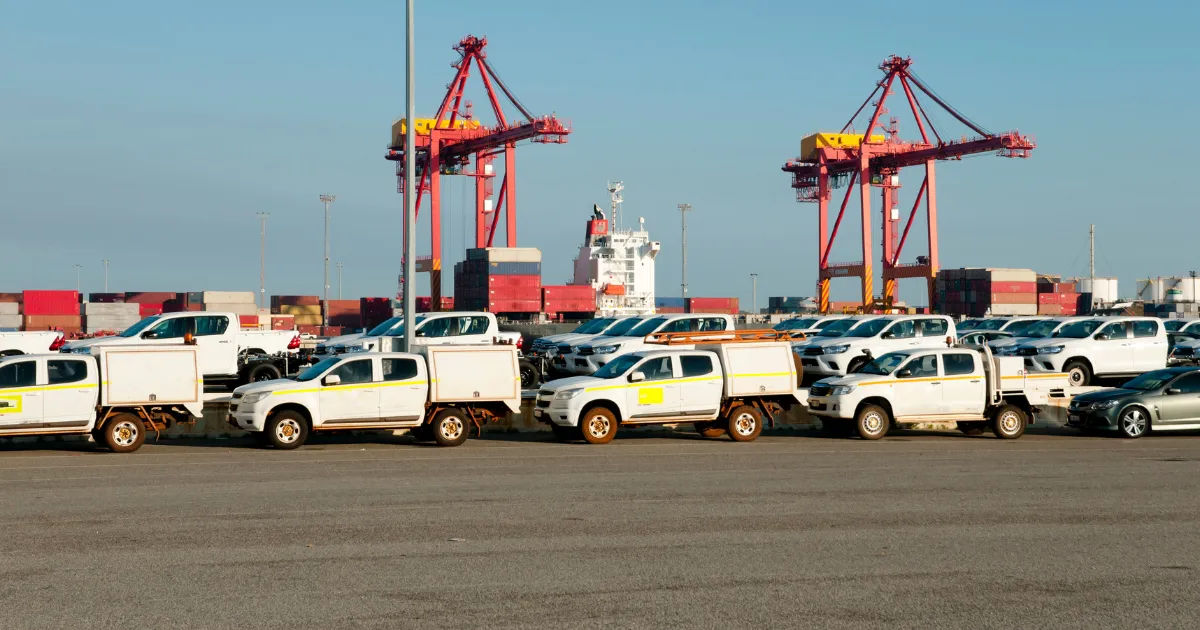
Whether you are an individual exporter or a logistics company, regulations determine how vehicles leave the country, what documentation is required, and how shipments are processed at ports. UK car shipping 50 countries also depends heavily on compliance with customs laws, environmental rules, and transport safety standards.
In modern global trade, RORO vehicle logistics UK plays a major role in simplifying the export process. However, even with streamlined systems like roll-on/roll-off shipping, regulatory compliance still shapes every step of the journey. From vehicle eligibility checks to export declarations, these rules ensure that shipments are legal, safe, and properly documented.
This guide explains how UK export regulations affect vehicle shipments in detail, including documentation, customs duties, port procedures, and compliance requirements. It also explores how exporters can avoid delays and penalties while participating in UK car shipping 50 countries markets using RORO vehicle logistics UK systems.
Understanding UK Vehicle Export Regulations
Vehicle export regulations in the UK are designed to control the movement of goods leaving the country. These rules ensure compliance with tax laws, prevent illegal exports, and maintain accurate trade records.
UK car shipping 50 countries depends on adherence to these regulations, especially when vehicles are transported through commercial shipping channels. Exporters must comply with HM Revenue & Customs (HMRC) requirements, which include declaring goods and providing accurate vehicle details.
RORO vehicle logistics UK is directly impacted by these rules because every vehicle loaded onto a vessel must have cleared export controls. Without proper compliance, shipments can be delayed or even rejected at the port.
Regulations also vary depending on whether the vehicle is new, used, or deregistered, making it important for exporters to understand classification rules before shipping.
Key Legal Authorities Governing Vehicle Exports
Several government bodies regulate vehicle exports in the UK. Each plays a specific role in ensuring compliance across the supply chain.
HM Revenue & Customs (HMRC)
HMRC oversees export declarations and ensures that all goods leaving the UK are properly recorded. For UK car shipping 50 countries, exporters must submit electronic export declarations through the Customs Handling of Import and Export Freight (CHIEF) or the Customs Declaration Service (CDS).
RORO vehicle logistics UK requires strict documentation checks before a vehicle can be accepted at the port.
Driver and Vehicle Licensing Agency (DVLA)
The DVLA manages vehicle registration and deregistration. Exporters must inform the DVLA when a vehicle is permanently exported. This step is critical in UK car shipping 50 countries operations.
RORO vehicle logistics UK procedures often require proof that the vehicle has been removed from UK registration.
Department for Transport (DfT)
The DfT sets safety and transport regulations, ensuring vehicles meet shipping standards. This affects container loading and RORO procedures.
Documentation Required for Vehicle Export
Proper documentation is the backbone of compliant vehicle exports. Missing or incorrect paperwork can lead to shipment delays or fines.
UK car shipping 50 countries requires exporters to prepare several key documents before shipping.
Vehicle Registration Documents
Proof of ownership is essential. Exporters must provide the V5C logbook or export certificate to confirm legal ownership.
Export Declaration
A formal customs export declaration must be submitted before departure. This is mandatory for all RORO vehicle logistics UK shipments.
Bill of Lading
The shipping company issues this document once the vehicle is loaded. It acts as proof of shipment and is required for customs clearance in the destination country.
Insurance Documents
Export insurance is required to protect vehicles during transit. UK car shipping 50 countries often involves long-distance shipping routes, making insurance essential.
How Customs Regulations Impact Vehicle Shipping
Customs regulations are one of the most influential factors in vehicle exports. They determine how quickly a vehicle can leave the UK and enter international markets.
UK car shipping 50 countries relies on accurate customs classification to avoid delays. Vehicles must be correctly declared with details such as engine type, value, and destination.
RORO vehicle logistics UK operations are particularly sensitive to customs checks because vehicles are shipped in bulk. Any error in documentation can delay entire shipments.
Customs duties may also apply depending on the destination country’s import laws, affecting the overall cost and timeline of exports.
VAT and Tax Implications in Vehicle Export
Value Added Tax (VAT) rules significantly affect vehicle exports from the UK.
If a vehicle is exported outside the UK, it may qualify for zero-rated VAT. However, strict conditions must be met, including proof of export and timely submission of documents.
UK car shipping 50 countries often involves VAT reclaim procedures, especially for commercial exporters.
RORO vehicle logistics UK providers usually assist with documentation to ensure compliance, but the exporter remains responsible for accuracy.
Failure to comply with VAT regulations can result in penalties or loss of tax benefits.
Vehicle Eligibility and Compliance Standards
Not all vehicles are eligible for export without modification or inspection.
UK car shipping 50 countries requires vehicles to meet both UK export rules and destination country import standards.
Common compliance checks include:
- Roadworthiness verification
- Emissions standards
- Safety modifications
- Deregistration status
RORO vehicle logistics UK services often include inspection before loading to ensure compliance.
Non-compliant vehicles may be refused at ports or subject to additional inspection fees.
Role of RORO Shipping in Vehicle Export Regulations
Roll-on/roll-off shipping is one of the most common methods for exporting vehicles from the UK.
RORO vehicle logistics UK simplifies transport by allowing vehicles to be driven directly onto specialized vessels. However, regulatory compliance remains essential.
UK car shipping 50 countries heavily depends on RORO systems because they reduce handling costs and improve efficiency.
Despite this simplicity, RORO shipping still requires:
- Export clearance
- Vehicle inspection
- Security checks
- Customs documentation
RORO vehicle logistics UK providers coordinate these steps to ensure compliance with export laws.
Port Procedures and Regulatory Checks
UK ports follow strict procedures for exporting vehicles. These procedures ensure that only legally cleared vehicles are loaded onto vessels.
UK car shipping 50 countries shipments must pass through several verification stages before departure.
Gate-In Inspection
Vehicles are checked upon arrival at the port to confirm identity and condition.
Customs Verification
Authorities verify export declarations and supporting documents.
Security Screening
Vehicles may undergo security checks to ensure compliance with international shipping rules.
RORO vehicle logistics UK systems rely on efficient port coordination to minimize delays.
Impact of Export Restrictions and Sanctions
Export restrictions can affect certain vehicles depending on international sanctions or trade agreements.
UK car shipping 50 countries may be limited by geopolitical restrictions or environmental regulations in destination countries.
RORO vehicle logistics UK providers must stay updated on restricted destinations and prohibited exports.
Vehicles may be blocked from export if they:
- Violate sanctions
- Lack proper certification
- Fail safety compliance checks
These restrictions ensure that exports remain lawful and ethically compliant.
Environmental Regulations Affecting Vehicle Export
Environmental standards also influence vehicle exports from the UK.
UK car shipping 50 countries must comply with emissions regulations, especially when exporting to countries with strict environmental laws.
Older vehicles may require modifications or certifications before export.
RORO vehicle logistics UK providers often advise exporters on compliance with environmental requirements to avoid rejection at destination ports.
Common Challenges in Vehicle Export Compliance
Exporting vehicles from the UK involves several challenges that exporters must manage carefully.
UK car shipping 50 countries often faces issues such as:
- Incorrect documentation
- Delayed customs clearance
- Missing export declarations
- Port congestion
- Regulatory misunderstandings
RORO vehicle logistics UK helps reduce these challenges through structured processes and professional handling.
However, exporters still need to ensure accuracy in all submitted information.
How Regulations Affect Shipping Costs and Timeframes
Regulations directly impact both the cost and speed of vehicle exports.
UK car shipping 50 countries can become more expensive if additional inspections or documentation corrections are required.
Delays in customs clearance can increase storage fees at ports.
RORO vehicle logistics UK operations aim to minimize these costs by streamlining compliance procedures.
Proper planning reduces the risk of unexpected delays and additional charges.
Best Practices for Compliant Vehicle Export
To ensure smooth export operations, exporters should follow best practices.
UK car shipping 50 countries requires careful preparation and attention to detail.
Recommended practices include:
- Preparing documents in advance
- Confirming vehicle eligibility
- Working with experienced shipping agents
- Double-checking customs declarations
- Understanding destination country regulations
RORO vehicle logistics UK providers often assist exporters in following these steps correctly.
The Role of Shipping Agents and Logistics Providers
Shipping agents play a crucial role in ensuring compliance with export regulations.
UK car shipping 50 countries relies heavily on experienced agents who understand customs laws and port procedures.
RORO vehicle logistics UK providers act as intermediaries between exporters and regulatory authorities.
They help manage documentation, coordinate port operations, and ensure compliance at every stage.
Future Trends in Vehicle Export Regulations
Vehicle export regulations continue to evolve due to technology, environmental concerns, and international trade agreements.
UK car shipping 50 countries is expected to become more digitized, with electronic documentation replacing paper-based systems.
RORO vehicle logistics UK will likely become more automated, improving efficiency and reducing human error.
Stricter environmental regulations may also influence the types of vehicles eligible for export in the future.
Conclusion
UK vehicle export regulations play a critical role in shaping how shipments are handled, documented, and transported across international markets. UK car shipping 50 countries depends on strict compliance with customs, tax, and transport laws to ensure smooth and legal export operations.
From documentation requirements to environmental standards, every stage of the process is influenced by regulatory frameworks. RORO vehicle logistics UK provides an efficient shipping method, but it still operates within these legal boundaries, making compliance essential for successful exports.
Exporters who understand these regulations can avoid delays, reduce costs, and ensure smoother international transactions. As global trade continues to expand, staying updated with evolving rules will remain essential for anyone involved in vehicle export operations.
Ultimately, success in this industry depends on preparation, accuracy, and adherence to legal requirements that govern every shipment leaving the UK.