
AI companion with emotions and memory is becoming one of the most advanced ideas in modern artificial intelligence.
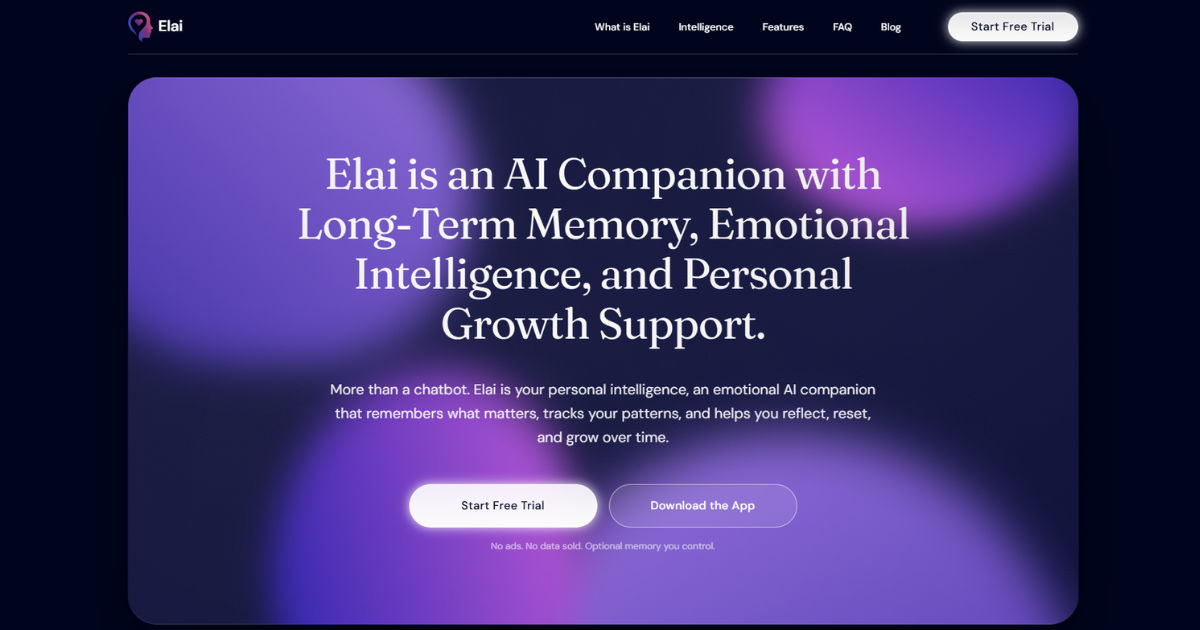 AI companion with emotions and memory refers to systems that not only talk to users but also remember past conversations, understand preferences, and respond in a more human-like emotional way.
AI companion with emotions and memory is designed to create long-term interaction, so users feel like they are building a relationship rather than just using a tool.
In this guide, we will explore how these systems remember users, how memory works inside AI, why emotional understanding matters, and how this technology is shaping the future of human-computer interaction. This is written in simple language so even a 12th-grade student can easily understand it.
What Is an AI Companion with Memory?
An AI companion is a digital system designed to interact with humans in a natural, conversational way. Unlike traditional chatbots, an AI companion can:
- Remember your name
- Recall past conversations
- Understand your preferences
- Respond with emotional awareness
AI companion with emotions and memory systems go beyond basic question-answering. They try to simulate friendship, support, and continuity in interaction.
For example, if you tell the AI today that you like football, it may remember it tomorrow and ask you about your favorite team.
Why Memory Matters in AI Companions
Memory is what makes conversations feel continuous instead of disconnected. Without memory, every chat feels like talking to a stranger. With memory, it feels like talking to someone who knows you.
AI companion with emotions and memory uses stored information to:
- Personalize responses
- Improve emotional connection
- Reduce repetition
- Create a sense of trust
When an AI remembers your past moods or interests, it can respond more naturally and thoughtfully.
How AI Memory Works Behind the Scenes
To understand how AI remembers users, we need to look at how memory is stored and processed.
1. Short-Term Memory
Short-term memory works during a single conversation. It keeps track of:
- What you just said
- The current topic
- Immediate context
This helps the AI respond correctly within one chat session.
For example, if you say:
“I like cricket,”
and later say
“Who is the best player?”
The AI understands you are talking about cricket.
2. Long-Term Memory
Long-term memory is more advanced. This is what makes AI companion with emotions and memory powerful.
It stores:
- User preferences
- Important facts about the user
- Past conversations
- Behavioral patterns
This data is usually saved in a structured database.
For example:
- You like reading technology blogs
- You prefer short answers
- You are interested in gaming
The AI uses this information in future chats.
3. Contextual Memory
Contextual memory connects different pieces of information together. It helps the AI understand meaning over time.
For example:
If you mention you are preparing for exams, the AI may later ask:
“How is your study schedule going?”
This makes the interaction feel more human.
How AI Stores User Information
AI does not “remember” like humans. Instead, it stores data using technology.
1. Vector Databases
Modern AI systems often use vector databases. These store information in numerical form so the AI can quickly retrieve relevant memories.
Each user interaction is converted into a data representation and stored.
2. Memory Tags
Some systems label memories with tags like:
- Interest
- Preference
- Emotion
- Event
This helps the AI quickly identify what type of memory it is using.
3. Summarization Memory
Instead of storing every single message, AI compresses conversations into summaries.
For example:
“User likes gaming and prefers evening chats.”
This keeps memory efficient and clean.
Emotional Intelligence in AI Companions
AI companion with emotions and memory is not just about remembering facts. It is also about understanding emotions.
What Is Emotional AI?
Emotional AI tries to detect human feelings based on:
- Text tone
- Word choice
- Context of conversation
For example:
- “I am feeling sad today” → sadness detected
- “This is amazing!” → excitement detected
Why Emotions Matter
Emotions help AI respond in a more human way.
Instead of saying:
“I understand.”
It might say:
“I’m really sorry you feel that way. I’m here for you.”
This makes conversations feel more supportive.
Emotional Memory
Some systems even remember emotional states from past interactions.
For example:
- User was stressed last week
- User was happy yesterday
AI companion with emotions and memory can adjust responses based on emotional history.
How AI Learns User Preferences
AI companions continuously improve by learning from user interactions.
1. Explicit Learning
This happens when you directly tell the AI something.
Example:
- “I like pizza”
- “I prefer short answers”
The AI stores this directly.
2. Implicit Learning
This is based on behavior.
Example:
- If you always ask short questions, AI learns you prefer short responses.
- If you talk about movies often, AI learns you are interested in films.
3. Reinforcement Learning
AI systems improve based on feedback.
If you say:
- “That answer was helpful” → positive signal
- “That was wrong” → negative signal
Over time, AI adapts.
Privacy and Security in AI Memory
Memory is powerful, but it must be handled carefully.
Data Protection
AI systems use encryption to protect user data. This ensures that personal information is not exposed.
User Control
Most modern systems allow users to:
- View stored memory
- Delete memory
- Turn off memory features
This gives users full control.
Ethical Concerns
Developers must ensure:
- No misuse of personal data
- No unauthorized sharing
- Transparent memory usage
AI companion with emotions and memory must always respect user privacy.
Benefits of AI Companion with Memory
AI companions provide several advantages.
1. Personalized Experience
The AI adapts to each user individually.
2. Better Conversations
It avoids repeating questions and remembers context.
3. Emotional Support
It can respond in a more caring and understanding way.
4. Productivity Help
It remembers tasks, reminders, and goals.
Limitations of AI Memory Systems
Despite advanced technology, there are still limitations.
1. Memory Errors
Sometimes AI may:
- Forget important details
- Mix up information
- Misinterpret context
2. Over-Reliance
Users may become too dependent on AI companionship.
3. Privacy Risks
If not handled properly, stored data can become vulnerable.
4. Lack of True Understanding
Even with emotions, AI does not truly “feel” like humans do. It only simulates emotional responses.
Real-World Applications
AI companion with emotions and memory is used in many areas:
1. Virtual Assistants
Helping users manage daily tasks and schedules.
2. Mental Wellness Apps
Providing emotional support and conversation.
3. Education
Helping students learn and revise topics based on memory.
4. Customer Support
Remembering customer history for better service.
Future of AI Companions with Memory
The future is expected to bring even more advanced systems.
1. More Human-Like Conversations
AI will become more natural and realistic.
2. Stronger Emotional Understanding
It will better detect human emotions and respond appropriately.
3. Lifelong Memory
AI may remember users for years, creating long-term digital relationships.
4. Integration with Daily Life
AI companions may become part of smart homes, education, and healthcare.
Challenges Ahead
Even though the technology is improving, challenges remain:
- Balancing memory and privacy
- Preventing emotional dependency
- Avoiding biased responses
- Ensuring ethical use
Developers must carefully design systems that are safe and helpful.
Conclusion
AI companion with emotions and memory represents a major step forward in artificial intelligence. It changes the way humans interact with machines by adding continuity, personalization, and emotional awareness. AI companion with emotions and memory systems use short-term memory, long-term storage, and emotional recognition to create more meaningful conversations.
However, while the technology is powerful, it is still not human. It does not truly feel emotions but simulates them using data and algorithms. Still, its ability to remember users and respond in a personalized way makes it extremely useful in education, mental health, productivity, and daily communication.
As technology continues to evolve, AI companion with emotions and memory will become even more advanced, offering deeper personalization and more natural interactions. At the same time, privacy, ethics, and responsible use will remain very important to ensure these systems benefit humanity in a safe way.