
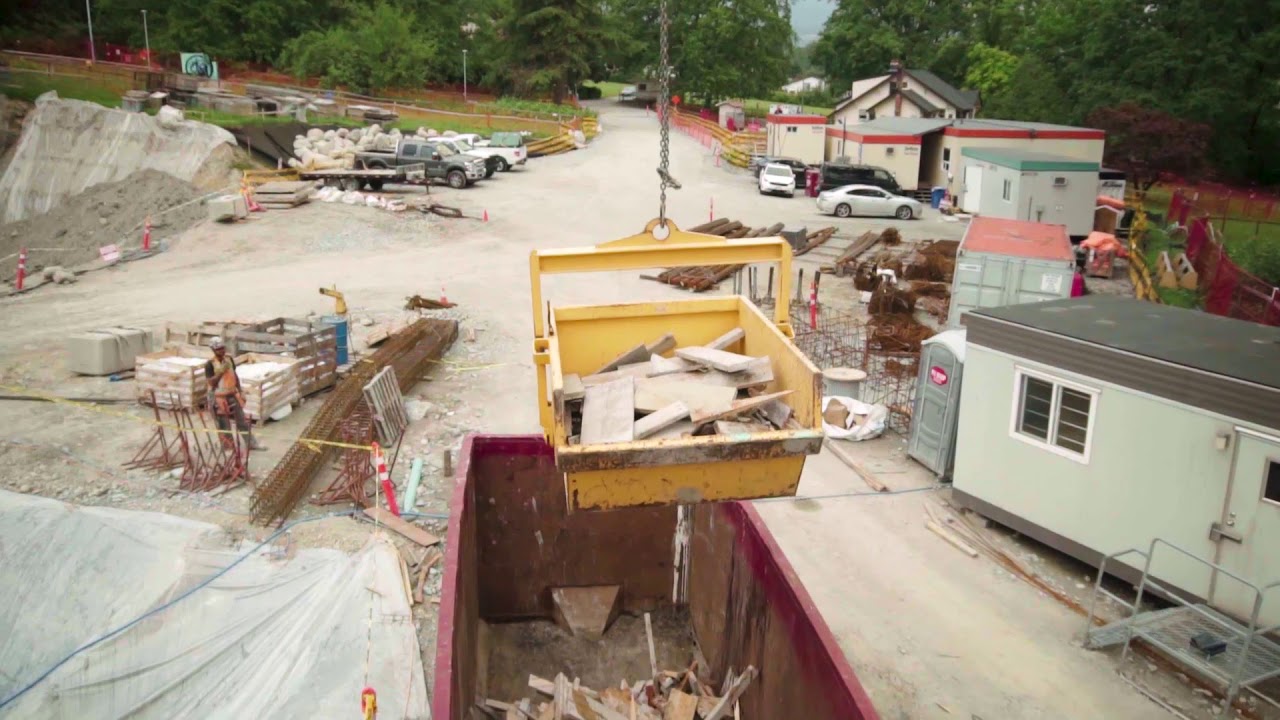
Below the hook lifting devices play a major role in Bodoni lifting trading operations where refuge, balance, and control matter to the most. These devices are used in factories, warehouses, shipyards, and construction sites to lift dozens that standard hooks alone cannot finagle safely. Big Foot Crane s industrial lifting equipment Guide explains how these tools attach to at a lower place a stretch out or hoist and help handle heavy, wide, or awkward materials with greater trust. Understanding how below the hook lifting devices work makes a real remainder in reducing , delays, and work risks.
What Are Below the Hook Lifting Devices
Below the hook lifting are tools that between the crane hook and the load itself. Instead of lifting a load straight with a I hook, these spread angle evenly and hold materials firmly. They are premeditated to work with slings, meat hooks, clamps, bars, or usance fittings depending on the type of stuff being upraised.
These devices are commonly used when gobs are too big, too long, or too flimsy for basic lifting methods. Steel plates, sections, pipes, machinery, and big assemblies are often stirred using below the hook lifting devices because they offer better verify and stability during lifting and positioning.
Why Below the Hook Lifting Devices Matter
The main purpose of below the hook lifting is refuge. Poor lifting methods can cause mountain to slip, swing over, or fall, which puts workers and at risk. By using the right for the job, operators can lift materials swimmingly and predictably.
Below the hook lifting also help protect the load itself. Delicate or high-ticket materials are less likely to bend, , or expunge when hanging correctly. Over time, this reduces run off, repair , and envision .
Another key gain is . With the specific , slews can be picked up quicker, stirred with trust, and placed accurately. This saves time on every lift and keeps operations moving without superfluous adjustments.
Common Types of Below the Hook Lifting Devices
There are many types of below the hook lifting , each designed for particular lifting needs. Some of the most widely used options include:
Spreader Beams and Lifting BeamsThese devices the load across quadruplex lifting points. They are ideal for long or wide tons that could bend if lifted from a single point. Spreader beams help maintain poise and reduce strain on slings and maulers.
Plate ClampsPlate clamps grip nerve plates or sheets securely from the edge or surface. They are often used in metal fabrication and steel handling. These below the hook lifting devices allow plates to be raised vertically or horizontally depending on the plan.
Pipe Lifting DevicesPipes can be disobedient to lift due to their round shape. Specialized below the hook lifting devices use cradles, meat hooks, or clamps that keep wheeling and slithering during social movement.
Coil LiftersSteel and wire coils need specialised handling. Coil lifters are studied to fit through the concentrate on of the coil or grip it securely from the outside. This keeps the coil stable while lifting and placement.
Vacuum Lifting DevicesVacuum systems use suck to lift smoothen surfaces such as glaze over, panels, or ruined metallic element sheets. These below the hook lifting devices are common in manufacturing environments where rise up protection is critical.
How Below the Hook Lifting Devices Improve Safety
Safety improvements come from better load verify and specific slant statistical distribution. Below the hook lifting devices tighten swinging and choppy shifts that can materialise with basic meat hooks. Many devices are shapely with refuge latches, locking mechanisms, and clearly pronounced load ratings to prevent abuse.
Operators can also exert better visibility and verify when dozens are equal right. This lowers the chance of collisions with near equipment or structures. When used as intended, below the hook lifting devices support safer lifting practices across many industries.
Choosing the Right Below the Hook Lifting Devices
Selecting the correct depends on several factors. Load angle is the first thoughtfulness, but form, size, and material also count. A long beam, for example, needs different support than a heap up of plates or a unity simple machine.
Work is another factor in. Indoor facilities may use different below the hook lifting than outdoor construction sites. Temperature, moisture, and rise up conditions can all regulate device public presentation.
Training and ease of use should not be unmarked. Devices that are simpleton to attach to and correct help reduce frame-up time and manipulator errors. Clear labeling and serviceable twist also add to long term reliableness.
Maintenance and Inspection Practices
Like all lifting equipment, below the hook lifting devices want habitue review. Visual checks before each use can cracks, wear, or unleash components. Scheduled inspections help check that the device continues to meet refuge standards.
Proper storehouse also extends the life of these tools. Keeping strip, dry, and snug from touch helps wield their performance. Following manufacturer guidelines for care and review keeps trading operations track smoothly.
Practical Value in Daily Operations
Below the hook lifting are not just accessories, they are necessary tools for handling complex piles. They wreak social organization and predictability to lifting tasks that would otherwise be dangerous or incompetent. From animated raw materials to positioning ruined products, these support better outcomes on every lift.
By understanding the resolve, types, and benefits of below the hook lifting , teams can make smarter choices on the job site or mill floor. When the right is paired with proper grooming and care, lifting heavy materials becomes a limited process rather than a challenge, keeping people, equipment, and projects animated send on with confidence.