
10 Tips To Assess Team Dynamics And Injuries When Making Mlb Baseball Predictions
The analysis of team dynamics and injuries is essential for making precise MLB predictions. Here are ten suggestions to help you evaluate these factors effectively.
1. Track key injuries: Be alert for injuries that could impact the team’s performance. The team’s performance can be significantly affected by players who are absent. To assess the impact of team members’ injuries, follow injuries and report updates.
2. Examine depth and replacements: Evaluate team depth and the performances of minor league players who are called-up. A team with a good depth will be able to handle injuries more effectively and a team with fewer high-quality replacements could reduce their effectiveness.
3. Consider the Recovery Timelines. Understand the expected timelines of recovery for injured players. Injury can be short-term or long-term.
4. Examine the effects of trades and acquisitions. Acquisitions and trades can affect team dynamics. Analyze the new players’ fit in with your team and the impact they have on performance of the team and chemistry.
5. The team’s chemistry influences performance. Be aware of any indications of conflict, like the issue of leadership or recent changes in team dynamics. Positive team chemistry often correlates with better on-field performance.
6. Review recent trends in performance Examine how your team is performing in recent times particularly following injuries or significant roster changes. Trends in performance can reveal how well a team adjusts.
7. Review Managerial decision-making: The manager’s strategies and decisions can affect the team’s performance, especially when dealing with injuries or changing the lineup. Review how the manager dealt with similar situations in the past.
8. Examine for fatigue Check for fatigue: Pay attention to your team’s fatigue levels and workload. The pitchers who are overworked are more likely to be injured and have lower performance. Examine the schedule to determine if there are any stress-related factors.
9. Assess player use: Find out what injuries affect the performance of players and changes in lineups. Changes in batting order or defensive positions can influence the performance of a team and should be considered in predictions.
10. Analyze the historical data and review the previous performance of your team in similar situations. Teams that have a history of adapting to changes in rosters or recovering from injuries can provide insights into the current situation.
If you incorporate these tips into the analysis of your MLB predictions, you will gain a complete understanding of how team dynamics as well as injuries can affect MLB predictions. See the top Best Baseball MLB Picks Model for blog examples including mlb baseball atlanta braves, mlb baseball braves, baseball teams, baseball teams, mlb baseball predictions, game of astros, mlb baseball atlanta braves, all team mlb, braves baseball news, atlanta baseball braves and more.
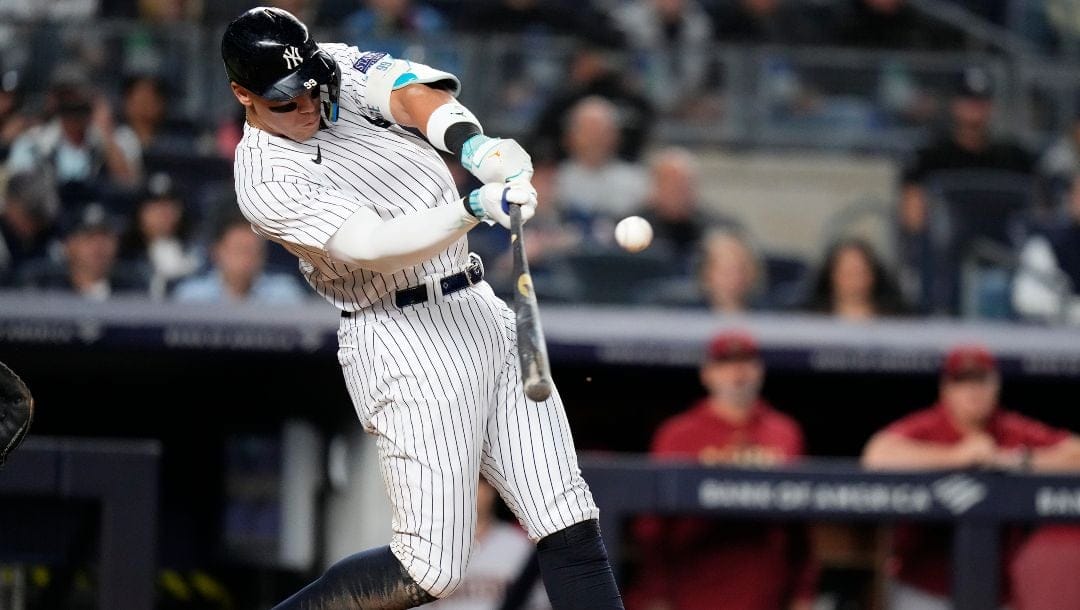
Baseball Predictions: How Do You Make The Most Accurate Mlb Predictions By Examining The Home And Away Splits
It is essential to consider the home and away splits prior to making MLB predictions. Here are 10 tips to help you analyse these splits effectively:
1. Review team performance: Review the performance overall and results of teams playing on their the field at home as opposed to away. The location of the team can influence the outcome of games.
2. Review Pitchers’ Splits: Take a look at how pitchers are performing at home in comparison to when they’re out on the move. Certain pitchers perform better in their home ballparks because they are accustomed to the surroundings or are in good conditions. Others pitchers might struggle.
3. Analyze Batter Splits. Compare the performance of each batter in home and away games. A number of factors can affect their performance, for instance familiarity with the ballpark at home, fatigue triggered by traveling and the changes in pitching.
4. Take into consideration Ballpark Features Consider the Features of Ballparks: Different ballparks may have unique features, which may affect the performance. Know how the size, elevation, and other aspects of particular ballparks impact both hitting and pitching.
5. Look for recent trends Examine current trends in performance at home and at the field. Certain teams or players may have a distinct streak or a slump in certain settings. Recent performance provides more information that is beyond the historical trends.
6. Take into consideration scheduling and travel. Take note of the ways that schedules and travel impact the performance of your team. Teams that take lengthy travel times or are playing away games continuously could be tired. This can affect their performance.
Examine historical data: Study performance data in order to find patterns. You can make predictions based on the fact that certain teams or individuals have been consistently better or worse under certain conditions.
8. Examine Opponent Performance Examine how the opposing team performs in different settings. The team’s performance both at home and away could help to contextualize the matchup.
9. Consider Weather Conditions: Weather conditions can vary drastically between games played at home and away. When looking at splits, variables like wind, temperature, and humidity can affect the outcomes of games.
10. Examine the team and player adjustments Examine how players and teams adjust to various settings. Some players are adept at adapting to new environments, whereas other may have difficulty. Being aware of these adjustments can provide you with an edge in predicting performance.
Utilizing these suggestions can assist you in getting a better understanding of the impact that splits between home and away could influence the outcomes of games. This will help improve your MLB betting predictions. View the top rated Predictions for blog examples including braves of atlanta, atlanta braves rumors, philadelphia phillies news, mlb baseball predictions, mlb predictions, atlanta braves newsletter, atlanta braves game today, baseball newsletter, tigers baseball detroit, braves news and more.

10 Tips For Monitoring Weather Conditions When Making Baseball Mlb Predictions
To make precise MLB predictions, it’s important to monitor weather conditions. Weather conditions can affect the way players play, their performance and even the outcomes. Here are ten suggestions for how to effectively observe and evaluate the weather conditions.
1. Review the forecasts for weather. Check them frequently to determine the conditions for games pay attention to the factors like humidity, temperature as well as wind speed and precipitation. You can rely on weather apps, websites, and local news.
2. Understand the Weather Impact: Temperatures and humidity can affect the way a ball travels. Temperatures that are warmer, more humid and longer ball flight favor hitters. Colder temperatures as well as lower humidity may favor pitchers.
3. Wind can impact game outcomes. A wind that is strong and blowing away could increase home run opportunities, while the wind blowing towards you could reduce scoring. Wind speed and direction are able to assess its impact.
4. Check for rain and field Conditions: Rain can result in delays, cancellations or altered field conditions. Fields that are muddy or wet can impact player performance and increase the risk of injuries. Keep on top of field updates and weather forecasts.
5. Extreme temperatures can have an adverse effect on performance of players. Extreme heat may cause fatigue and dehydration, whereas cold temperatures can affect grip and muscle performance.
6. Make sure to check the weather conditions for game time: Conditions can alter throughout the day. Examine the forecast for the exact date and time of the game because the conditions could be different from the morning or earlier in the day.
7. Examine Historical Weather Data: Analyze the way weather conditions have historically impacted games in specific ballparks. Due to their layout and location, certain stadiums are more impacted by the weather than other ones.
8. Monitor Weather Updates and Alerts Keep yourself informed of any weather alerts or warnings that could impact the game. Severe weather events, such as thunderstorms or hurricanes, can result in game cancellations or shifting the game date.
9. Evaluate the impact of weather on pitching and hitting: Weather conditions could influence pitching and hitting differently. The high humidity can cause pitching to be less effective due to reduced grip. But, heat can increase the rate of batting.
10. Take into consideration the impact on team Strategies The teams could alter their strategies in response to the weather conditions. Managers could, for example changing the rotations of batting lines according to forecasts for weather.
By monitoring the weather conditions and interpreting them, you can better know how they impact the game. This will help you create more accurate MLB predictions.