
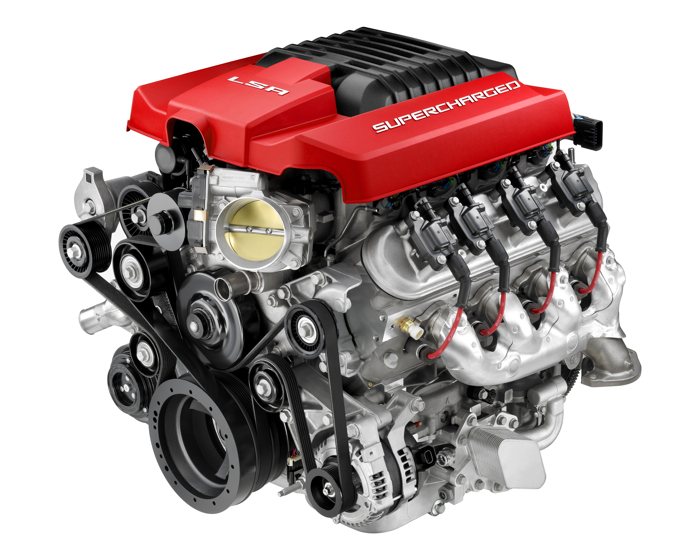
Choosing the best used Chevy LS1 engine for sale requires verifying the donor vehicle’s year, checking the engine’s physical condition, and securing a complete harness with its matching Electronic Control Module (ECM). The General Motors 5.7L LS1 V8 (produced from 1997 to 2004) revolutionized performance with lightweight aluminum construction and high-flowing cathedral-port heads. However, key mechanical upgrades were introduced between model years, making thorough inspection essential before purchase.
To ensure a reliable purchase, turn the crankshaft manually to confirm the block isn’t seized, check for broken exhaust manifold bolts, inspect the oil for metal shavings or coolant contamination, and verify casting numbers to confirm year-specific improvements like the 2001+ LS6 intake manifold and stronger connecting rod bolts.
1. LS1 Model Year Differences & Vehicle Applications
Not all LS1 engines are created equal. GM introduced several rolling revisions throughout the production run that impact durability, valvetrain geometry, and tuning capability.
Key Year-by-Year Changes to Watch For
- 1997–1998: Early Corvette and F-Body blocks feature perimeter-bolt valve covers and a unique oiling passage layout. They use a perimeter bolt valve cover gasket design that makes aftermarket upgrades slightly less compatible.
- 1999–2000: Transitioned to center-bolt valve covers and improved main block webbing for better structural rigidity.
- 2001–2004: The most desirable years. These engines came factory-equipped with the higher-flowing LS6 intake manifold (casting #12561184), stronger LS6 connecting rod bolts, and revised camshaft profiles.
| Model Year | Primary Applications | Throttle Type | Factory Intake | Notable Features |
| 1997–1998 | Corvette C5, Camaro Z28/SS, Trans Am | DBW (Vette) / DBC (F-Body) | Standard LS1 | Perimeter-bolt heads, early PCM architecture |
| 1999–2000 | Corvette C5, Camaro, Trans Am | DBW / DBC | Standard LS1 | Center-bolt heads, updated 411 PCM |
| 2001–2004 | Corvette C5, Camaro, Trans Am, GTO | DBW (Vette) / DBC (GTO/F-Body) | LS6 Intake | Stronger rod bolts, improved oiling passages |
When shopping for a used Chevy LS1 engine for sale, targeting a 2001–2004 long-block gives you built-in strength gains directly from the factory.
2. On-Site Physical Inspection Checklist
If you are inspecting an engine in person or buying a “take-out” assembly from a salvage yard, bring a basic tool kit to verify internal health.
Essential Pre-Purchase Tests
- Rotate the Crankshaft: Attach a 24mm socket and breaker bar to the harmonic balancer bolt. The crank should turn smoothly 360 degrees without sudden resistance or binding. If it locks up, walk away—it likely has spun bearings or bent valves.
- Inspect the Oil Fluid Condition: Pull the oil dipstick and remove the oil drain plug if allowed. Milky, cloudy oil points to a blown head gasket or cracked cylinder liner. Dark, sludgy oil indicates severe maintenance neglect.
- Examine Exhaust Header Bolts: The Gen III LS architecture is known for snapping rear exhaust manifold bolts due to thermal expansion. Check the cylinder heads for broken bolts flush with the aluminum block.
- Pull the Spark Plugs: Inspect all eight spark plugs. They should show light tan or grey deposits. Heavy black wet oil residue indicates worn valve seals or failing piston rings.
3. Harnesses, Sensors & Transmission Match
A complete swap requires more than just the iron or aluminum block. Sourcing an engine with its original, uncut wiring harness saves hundreds of dollars in aftermarket wiring costs.
- Throttle Body Types: F-Body (Camaro/Firebird) and 2004 Pontiac GTO LS1s use a mechanical cable throttle body (Drive-By-Cable / DBC). Corvette C5 LS1s use an electronic throttle body (Drive-By-Wire / DBW), which requires a matching TAC module and electronic pedal.
- Reluctor Wheels: All factory LS1 engines use a 24X crank reluctor wheel and a 1X cam reluctor wheel (black crank position sensor). Ensure your chosen harness and ECM align with 24X timing architecture.
- Transmission Wiring: Verify whether the harness is wired for a manual T-56 transmission or an automatic 4L60E/4L65E.
How much should a used Chevy LS1 engine cost?
A used Chevy LS1 engine typically costs between $2,500 and $4,500 depending on mileage, condition, and included accessories. Complete “pull-out” packages containing the wiring harness, ECU, and front accessories command higher prices.
How many miles can a Chevy LS1 engine last?
With proper maintenance and regular oil changes, a factory Chevy LS1 engine can easily exceed 200,000 to 250,000 miles before requiring a bottom-end rebuild.
What is the difference between an LS1 and a 5.3L LM7 engine?
The LS1 uses an all-aluminum block displacement of 5.7 liters (346 ci) designed for sports cars, whereas the 5.3L LM7 uses a heavier cast-iron block designed for GM trucks and SUVs.
Is the LS1 engine reliable for an engine swap?
Yes, the LS1 is one of the most reliable and supported engine swap platforms in automotive history due to its lightweight aluminum structure, compact pushrod design, and massive aftermarket support.
How do I identify a genuine LS1 engine block?
Check the rear driver-side casting stamp on the top of the block. Standard LS1 casting numbers include #12550592, #12559846, or #12560626, combined with 5.7L identification marks.
Frequently Asked Questions (FAQs)
What makes finding a quality used Chevy LS1 engine for sale a good investment?
Finding a verified used Chevy LS1 engine for sale offers an unmatched ratio of horsepower-to-weight, compact dimensions that fit tight engine bays, and exceptional reliability. Its standard 305–350 horsepower output serves as an ideal baseline for both street and track builds.
Can I put LS6 cylinder heads on a used LS1 engine?
Yes. Factory LS6 cylinder heads (casting #243 or #799) bolt directly onto an LS1 engine block. This bolt-on modification increases airflow, compression, and top-end horsepower without requiring custom machining.
What warranty should I look for when buying a used LS1 engine?
Reputable auto parts locators and salvage networks usually offer a standard 30-day to 90-day parts replacement warranty. Look for suppliers that test compression and perform oil-pressure checks prior to shipping.
Should I replace any parts before installing a used LS1?
Yes. Prior to dropped-in installation, it is recommended to replace the rear main seal, front crankshaft seal, water pump gasket, oil pump, and valve cover gaskets. Upgrading to a heavy-duty timing chain is also wise preventive maintenance.
Will a truck ECU work with a used Chevy LS1 engine swap?
Yes, Gen III truck ECUs (such as the popular “411” PCM) can be reprogrammed using flash software to run a standard LS1 engine, provided the harness matches the throttle body setup.