
When a property experiences flooding, leaks, or severe water damage, the restoration process becomes an important step toward bringing the building back to a safe and comfortable condition. Many homeowners think the work is complete once the visible water is removed and damaged areas are repaired. 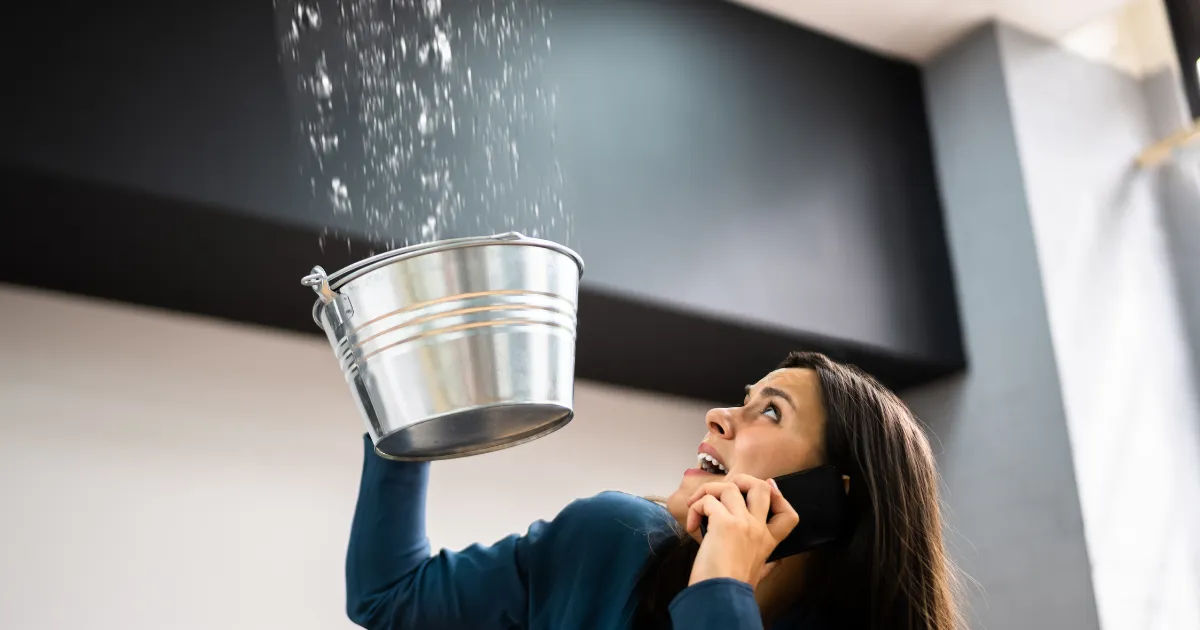
The completion of restoration does not always mean the entire recovery journey has ended. After professionals remove standing water, dry affected areas, repair damaged materials, and restore the property, homeowners need to focus on inspections, maintenance, prevention, and long-term care.
Understanding what happens after Water Damage Restoration Lancaster is finished can help property owners protect their investment and avoid hidden issues. Problems such as moisture buildup, mold growth, structural weakness, and unpleasant odors may appear if the restoration process is not followed by proper monitoring and maintenance.
A successful restoration project creates a fresh starting point. The next phase involves making sure the restored property continues to stay dry, safe, and comfortable for years to come.
Final Inspection and Quality Check After Restoration
One of the first things that happens after the restoration work is completed is a final inspection. Restoration professionals usually review the entire affected area to confirm that all necessary repairs and cleaning tasks have been completed properly.
During this inspection, experts check whether moisture levels have returned to normal. Even if walls, floors, and ceilings look completely dry, hidden moisture can remain inside building materials. Advanced moisture detection tools may be used to identify any remaining damp areas.
The final inspection also helps confirm that damaged materials have been repaired or replaced correctly. This includes checking drywall, flooring, insulation, cabinets, and other parts of the property that were affected by water exposure.
A detailed quality check gives homeowners confidence that the restoration process has been completed according to professional standards. It also reduces the chance of future complications caused by incomplete drying or overlooked damage.
Moisture Monitoring After Water Damage Restoration
After the main restoration process ends, monitoring moisture levels becomes an important responsibility. Water damage can sometimes create hidden problems that are not immediately visible.
Building materials such as wood, drywall, and insulation can absorb water deeply. If moisture remains trapped inside these materials, it can slowly damage the structure and create an environment where mold can grow.
Professional restoration companies may recommend checking moisture levels periodically after the project is complete. This is especially important in areas where water exposure was severe or where materials were difficult to dry.
Homeowners should pay attention to warning signs such as:
- Musty smells
- Peeling paint
- Swollen wood surfaces
- Discoloration on walls or ceilings
- Increased humidity inside rooms
These signs may indicate that moisture problems still exist and require attention.
Cleaning and Sanitizing the Restored Area
After repairs are completed, the next step is often deep cleaning and sanitization. Water damage can introduce dirt, bacteria, and contaminants into a property, especially if the water came from flooding, sewage backups, or contaminated sources.
Cleaning helps remove any remaining particles and improves indoor air quality. Restoration professionals may clean carpets, furniture, walls, floors, and other affected belongings depending on the level of damage.
Sanitization is particularly important because water damage can leave behind harmful microorganisms. Proper cleaning products and techniques help create a safer living environment.
Homeowners should also wash or professionally clean items that were exposed to moisture. This may include:
- Curtains
- Rugs
- Upholstered furniture
- Clothing
- Decorative items
Taking these steps ensures that the property does not only look restored but also feels clean and healthy.
Checking for Mold Growth After Restoration
One of the biggest concerns after water damage is mold development. Mold can begin growing quickly when moisture remains in an area for an extended period.
Even after Water Damage Restoration Lancaster is completed, homeowners should continue watching for possible mold problems. Mold does not always appear immediately, and it can sometimes develop behind walls, under flooring, or inside hidden spaces.
Common signs of mold include:
- A strong musty odor
- Dark spots on surfaces
- Increased allergy symptoms
- Visible fungal growth
- Damp areas that do not dry properly
Regular ventilation and humidity control are important after restoration. Using exhaust fans, opening windows when appropriate, and maintaining indoor humidity levels can help prevent mold growth.
If mold appears after restoration, professional evaluation may be necessary. Early action can prevent a small problem from becoming a larger and more expensive repair.
Returning Furniture and Personal Belongings
Once the restoration area has been inspected and confirmed safe, homeowners can begin returning furniture and personal belongings.
However, items should only be moved back after the area is completely dry. Placing furniture on damp flooring or against moist walls can create new problems.
Before returning items, homeowners should inspect each belonging carefully. Furniture, books, electronics, and fabrics may have absorbed moisture during the water damage event.
Some items may require additional cleaning or restoration before they can safely return to the property.
A careful approach helps protect restored areas and prevents old damage from affecting the newly repaired space.
Reviewing Insurance Documentation and Restoration Records
After restoration is completed, homeowners should organize and review all important documents related to the project.
Restoration companies usually provide records that include details about the work performed, materials used, and repairs completed. These documents can be valuable for insurance purposes and future property maintenance.
Important records may include:
- Restoration reports
- Repair invoices
- Before-and-after photos
- Moisture testing results
- Insurance communication documents
Keeping these records helps homeowners maintain a clear history of the damage and restoration process.
If the property is sold in the future, restoration documentation can also provide potential buyers with confidence that previous water damage was professionally handled.
Understanding the Cause of Water Damage
After restoration is finished, homeowners should focus on understanding what caused the water damage in the first place.
Repairing visible damage is only one part of recovery. Preventing the same problem from happening again is equally important.
Common causes of water damage include:
- Plumbing leaks
- Roof damage
- Broken appliances
- Drainage problems
- Foundation issues
- Storm-related flooding
Identifying the original cause allows homeowners to make improvements that reduce future risks.
For example, if a damaged pipe caused flooding, replacing old plumbing may prevent another emergency. If poor drainage caused water intrusion, improving outdoor drainage systems can protect the property.
Improving Home Protection After Restoration
After completing restoration, many homeowners choose to make improvements that increase protection against future water problems.
Simple upgrades can make a significant difference. These improvements may include installing leak detection devices, improving drainage, sealing vulnerable areas, and maintaining plumbing systems.
Regular home inspections are also beneficial. Small issues such as minor leaks or cracks can become major problems if ignored.
Homeowners should create a maintenance routine that includes:
- Checking pipes regularly
- Cleaning gutters
- Inspecting roofs
- Testing sump pumps
- Monitoring basement moisture
Preventive care reduces the chances of experiencing another major water damage event.
Conclusion
Water damage can affect indoor air quality even after restoration is complete. Moisture, dust, cleaning chemicals, and damaged materials can temporarily change the air inside a property.
Maintaining good ventilation helps restore a comfortable indoor environment.
Homeowners can improve air quality by:
- Using air purifiers
- Changing HVAC filters regularly
- Keeping rooms properly ventilated
- Controlling indoor humidity
A healthy indoor environment is an important part of complete recovery after water damage.