
A Window price estimater is a helpful online tool that gives homeowners a quick idea of how much new windows might cost.
A Window price estimater is widely used by people planning home renovation because it saves time and gives early budgeting information. However, many users do not understand why the results from a Window price estimater can vary so much from one website to another.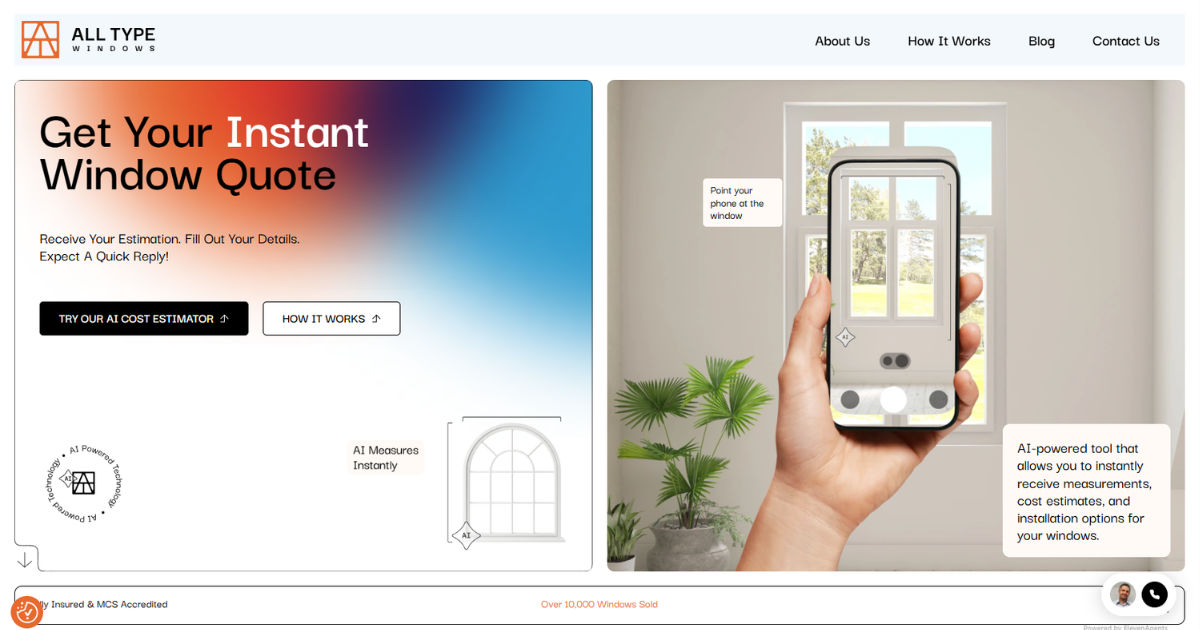
In this detailed guide, we will explain everything that affects a Window price estimater, how it works, and why pricing is not always the same. By the end, you will understand how to use a Window price estimater more effectively and make smarter decisions for your home improvement project.
What Is a Window Price Estimater?
A Window price estimater is an online calculator that predicts the cost of windows based on user input. It usually asks for details such as:
- Window size
- Material type
- Glass type
- Installation requirements
- Location
A Window price estimater then processes this data using average market rates and generates a rough cost.
It is important to remember that a Window price estimater is not an exact quote. Instead, it provides an estimated range to help you plan your budget.
How a Window Price Estimater Works
A Window price estimater works by using a database of average material and labor costs. When you enter details, the system calculates based on:
- Square footage of windows
- Frame material pricing
- Energy efficiency ratings
- Labor cost averages
- Regional price variations
Every Window price estimater uses algorithms that combine these factors to create an estimated price range.
Because of this, different tools may show different results for the same input.
Key Factors That Affect a Window Price Estimater
There are several important elements that influence a Window price estimater. Understanding these helps you interpret results better.
1. Window Material Type
One of the biggest factors in a Window price estimater is the material used for frames.
Common materials include:
Vinyl
- Affordable
- Low maintenance
- Energy efficient
Wood
- Expensive
- Traditional appearance
- Requires maintenance
Aluminum
- Strong and durable
- Less insulation
Fiberglass
- High performance
- Long lifespan
- Higher cost
A Window price estimater adjusts pricing based on the selected material.
2. Window Size and Shape
Size plays a major role in any Window price estimater calculation.
Larger windows require:
- More glass
- Stronger frames
- More installation time
Unusual shapes like arches or circles also increase cost because they require custom manufacturing.
A Window price estimater increases price automatically as size or complexity grows.
3. Glass Type and Technology
Glass selection heavily influences a Window price estimater result.
Types of glass include:
Single Pane
- Cheapest
- Poor insulation
Double Pane
- Standard choice
- Good insulation
Triple Pane
- Best energy efficiency
- Expensive
Additional features:
- Low-E coating
- UV protection
- Soundproofing
Each upgrade changes the final value in a Window price estimater.
4. Energy Efficiency Ratings
Modern windows are rated for energy performance. A Window price estimater often includes:
- U-factor
- Solar heat gain coefficient
- Insulation quality
Higher efficiency windows cost more but reduce long-term energy bills.
A Window price estimater reflects these long-term savings in higher upfront pricing.
5. Installation Costs
Installation is a major factor in any Window price estimater.
Installation depends on:
- Labor rates in your area
- Difficulty of installation
- Number of windows
- Condition of existing frames
If old windows need removal, the cost increases. A Window price estimater includes these labor variations in its calculation.
6. Location and Regional Pricing
Where you live strongly affects a Window price estimater.
Reasons include:
- Labor cost differences
- Shipping costs
- Local building codes
- Climate requirements
For example, urban areas usually have higher prices than rural regions.
A Window price estimater adjusts automatically based on location input.
7. Customization Options
Custom windows increase cost significantly in a Window price estimater.
Customization includes:
- Special colors
- Unique designs
- Decorative glass
- Grid patterns
The more customization you add, the higher the estimate becomes.
A Window price estimater reflects customization as premium pricing.
8. Brand and Manufacturer
Different brands affect pricing in a Window price estimater.
High-end brands cost more due to:
- Better materials
- Longer warranties
- Advanced technology
Budget brands are cheaper but may not last as long.
A Window price estimater often includes brand-based pricing tiers.
9. Number of Windows
Quantity matters in a Window price estimater.
Buying more windows can sometimes reduce cost per unit due to bulk pricing.
However, total cost still increases with more units.
A Window price estimater multiplies unit cost by quantity while applying possible discounts.
10. Market Demand and Seasonal Changes
A Window price estimater may also reflect market conditions.
Prices can increase during:
- High construction seasons
- Material shortages
- Supply chain delays
During off-season periods, prices may be lower.
This is why a Window price estimater can vary over time.
11. Labor Skill Level
Skilled labor costs more, and a Window price estimater often adjusts for this.
Experienced installers:
- Work faster
- Reduce errors
- Improve durability
However, their services are more expensive.
A Window price estimater balances cost vs quality when calculating labor.
12. Building Type and Structure
The type of building also affects a Window price estimater.
Examples:
- Apartments
- Detached houses
- Commercial buildings
High-rise buildings may require special equipment, increasing cost.
A Window price estimater considers structural complexity.
Why Window Price Estimaters Differ Between Websites
You may notice that a Window price estimater gives different results depending on the site.
This happens because:
- Different cost databases
- Different labor averages
- Different brand partnerships
- Different update frequencies
Each Window price estimater uses its own formula, so results vary.
Limitations of a Window Price Estimater
Even though a Window price estimater is useful, it has limitations:
- Not exact pricing
- Does not include all hidden fees
- May not reflect real-time discounts
- Cannot replace professional quotes
A Window price estimater should be used as a guide, not a final answer.
How to Use a Window Price Estimater Effectively
To get the best results from a Window price estimater, follow these tips:
- Enter accurate measurements
- Choose correct material types
- Compare multiple estimators
- Check local contractor rates
- Update inputs regularly
Using a Window price estimater properly helps you plan better and avoid surprises.
Common Mistakes People Make
Many users misuse a Window price estimater by:
- Ignoring installation costs
- Choosing wrong window types
- Not comparing multiple results
- Expecting exact pricing
Avoiding these mistakes improves your budgeting accuracy.
Future of Window Price Estimaters
Technology is improving how a Window price estimater works.
Future improvements may include:
- AI-based pricing
- Real-time contractor quotes
- Smart home integration
- 3D modeling of homes
A Window price estimater will become more accurate and personalized over time.
Conclusion
A Window price estimater is a powerful tool for homeowners who want to understand window installation costs before committing to a project. A Window price estimater is influenced by many factors such as materials, size, glass type, labor, and location. While it provides helpful estimates, it should always be used as a starting point rather than a final price.
Understanding how a Window price estimater works allows you to make better decisions, compare options, and plan your budget more effectively. Whether you are replacing one window or upgrading your entire home, using a Window price estimater wisely can save time, money, and stress.
In the end, a Window price estimater is not just a calculator—it is a planning tool that helps bridge the gap between ideas and real-world renovation costs.