
A custom water features contractor plays a major role in turning ordinary outdoor spaces into visually stunning and relaxing environments. A custom water features contractor does much more than just install fountains or ponds—they carefully plan, design, and structure every detail before any construction begins.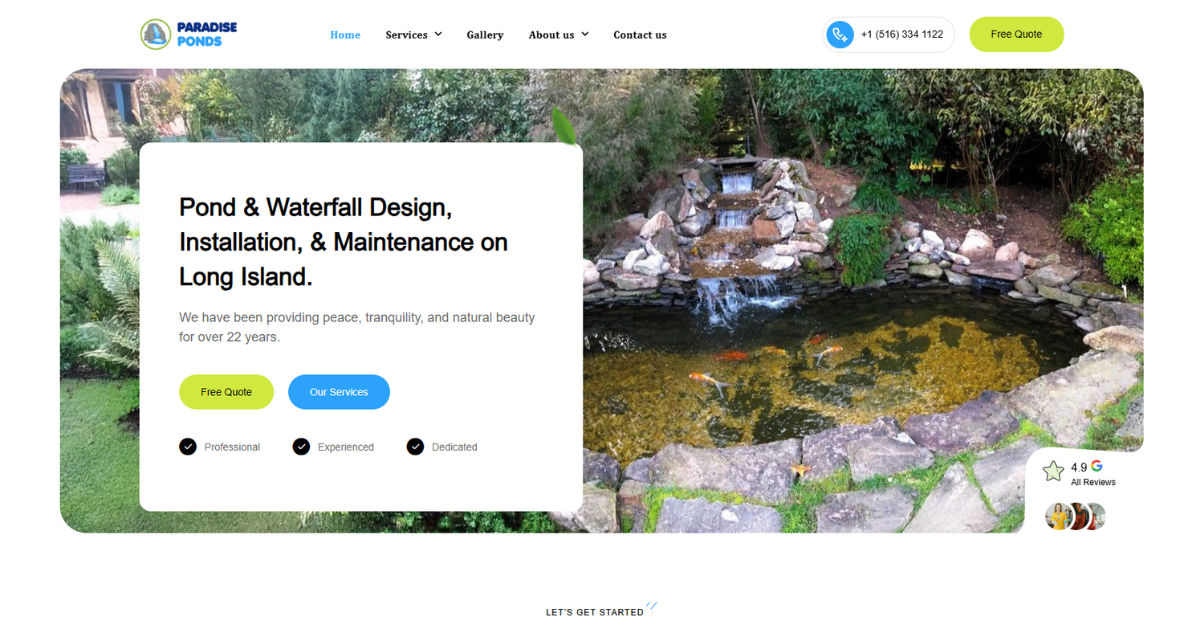
A skilled custom water features contractor ensures that the layout is both beautiful and functional, blending water movement, landscaping, and engineering into one seamless design.
When planning a layout, a custom water features contractor starts by understanding the space, the client’s vision, and the technical requirements needed for long-term performance.
This process is not random. It follows a structured approach that balances creativity with precision. A professional custom water features contractor considers everything from water flow and elevation to electrical access and maintenance needs.
This guide explains in detail how a custom water features contractor plans a layout step by step, making it easy for students and beginners to understand how outdoor water designs come to life.
Understanding the Role of a Water Features Contractor
A custom water features contractor is responsible for designing and building water-based installations such as fountains, ponds, waterfalls, and streams. The job starts long before construction. A custom water features contractor studies the land, listens to the client, and evaluates what type of water feature suits the environment best.
The planning stage is critical because a custom water features contractor must ensure the layout is practical and sustainable. This includes deciding where the water will flow, how it will be filtered, and how the system will be powered. A custom water features contractor also checks soil conditions and drainage to prevent future problems.
Without proper planning, even a beautiful idea can fail. That is why a custom water features contractor focuses heavily on preparation before any digging or installation begins.
Site Assessment and Environmental Study
The first major step for a custom water features contractor is site assessment. This involves visiting the property and studying its natural conditions. A custom water features contractor examines slope, soil type, sunlight exposure, and available space.
A key responsibility of a custom water features contractor is identifying how water will naturally move across the land. This helps prevent flooding or poor drainage. The contractor also checks for underground utilities that may affect placement.
In small or large yards, a custom water features contractor must adapt the design to fit the space without overcrowding it. Even the direction of wind and nearby trees can influence the final layout. A skilled custom water features contractor uses all this information to build a strong foundation for the design process.
Defining Design Goals and Client Vision
After evaluating the site, a custom water features contractor meets with the client to define design goals. This step ensures that expectations match reality. A custom water features contractor asks questions about style preferences, budget, maintenance level, and desired features.
Some clients prefer modern fountains, while others want natural pond ecosystems. A custom water features contractor translates these ideas into practical designs. Every suggestion is adjusted based on space limitations and technical feasibility.
A custom water features contractor also explains what is realistic. For example, a large waterfall may not be suitable for a small yard. By balancing creativity with practicality, a custom water features contractor ensures the final layout is both attractive and functional.
Water Source, Plumbing, and Electrical Planning
One of the most technical parts of the job is handled by a custom water features contractor during the planning stage of utilities. Water features require a reliable water source, pumps, and electrical connections.
A custom water features contractor decides where pipes will be installed and how water will circulate through the system. Proper placement is essential to avoid leaks or pressure loss. Electrical planning is equally important, as pumps and lighting systems must be safely connected.
A professional custom water features contractor also considers energy efficiency. Choosing the right pump size reduces electricity usage and improves performance. Without careful planning, the entire system may become expensive or unreliable, which is why a custom water features contractor focuses heavily on this step.
Creating the Layout Sketch and Design Blueprint
Once all information is collected, a custom water features contractor begins sketching the layout. This is where ideas become visual plans. A custom water features contractor maps out where each element will go, including ponds, rocks, waterfalls, and plants.
The blueprint created by a custom water features contractor includes measurements, flow direction, and elevation changes. This helps construction teams follow a clear plan during installation. Every detail matters because even small changes can affect water circulation.
A custom water features contractor may also use digital tools or 3D modeling software to show how the final feature will look. This allows clients to visualize the project before work begins.
Safety Standards and Local Regulations
Safety is a major priority for a custom water features contractor. Before construction starts, the contractor ensures that all designs follow local building codes and safety rules.
A custom water features contractor checks regulations related to water depth, electrical installation, and structural stability. If permits are required, the custom water features contractor handles the approval process.
Safety also includes long-term usability. A custom water features contractor designs features that are safe for children, pets, and visitors. Proper barriers, non-slip surfaces, and secure wiring are part of the planning process.
Selecting Materials for Durability and Aesthetics
Material selection is another key responsibility of a custom water features contractor. The materials used must be both strong and visually appealing. A custom water features contractor often chooses between natural stone, concrete, fiberglass, or pre-formed liners.
Each material affects the final appearance and maintenance level. A custom water features contractor ensures that materials match the overall design theme. For example, natural stone is ideal for rustic gardens, while sleek concrete fits modern designs.
Durability is important because outdoor water systems face weather changes. A custom water features contractor selects materials that resist cracking, fading, and water damage.
Water Circulation and Pump System Design
Water movement is the heart of any design, and a custom water features contractor carefully plans circulation systems. The contractor calculates how much water pressure is needed and where pumps should be installed.
A custom water features contractor ensures that water flows smoothly without stagnation. Proper circulation prevents algae growth and keeps the feature clean. Filters and skimmers are also included in the layout.
Energy efficiency is again a focus. A custom water features contractor chooses pumps that balance performance and cost. The goal is to create a system that runs smoothly with minimal maintenance.
Landscaping Integration and Visual Balance
A custom water features contractor does not design water features in isolation. Instead, they integrate them into the surrounding landscape. Plants, rocks, lighting, and pathways are all part of the layout.
A custom water features contractor ensures that the water feature looks natural and blends with the environment. For example, a pond may be surrounded by native plants to create a natural ecosystem.
Balance is important. A custom water features contractor avoids overcrowding the space while still making the feature visually appealing. Proper placement ensures that the water feature becomes the highlight of the yard.
Final Review, Adjustments, and Project Approval
Before construction begins, a custom water features contractor performs a final review of the layout. This step ensures that everything is accurate and functional. A custom water features contractor double-checks measurements, water flow direction, and material choices.
If needed, adjustments are made to improve performance or appearance. A custom water features contractor then presents the final plan to the client for approval.
Once approved, the custom water features contractor prepares the construction team for installation. This ensures a smooth transition from planning to execution.
Conclusion
A custom water features contractor follows a detailed and structured process when planning a layout. From site assessment to final approval, every step is carefully designed to ensure both beauty and functionality. A custom water features contractor balances creativity with engineering, making sure the water feature works efficiently while enhancing the landscape.
The success of any outdoor water project depends on the expertise of a custom water features contractor, who understands how to combine technical systems with natural design. By carefully planning utilities, materials, circulation, and layout, a custom water features contractor creates long-lasting and visually appealing outdoor environments.
Whether the project is small or large, the planning process led by a custom water features contractor ensures that every detail is considered. This careful approach is what transforms simple yards into peaceful and artistic spaces.