
Aluminum wiring has been used in homes for decades, particularly in the 1960s and 1970s. While it offered an affordable alternative to copper, it has raised numerous safety concerns over the years.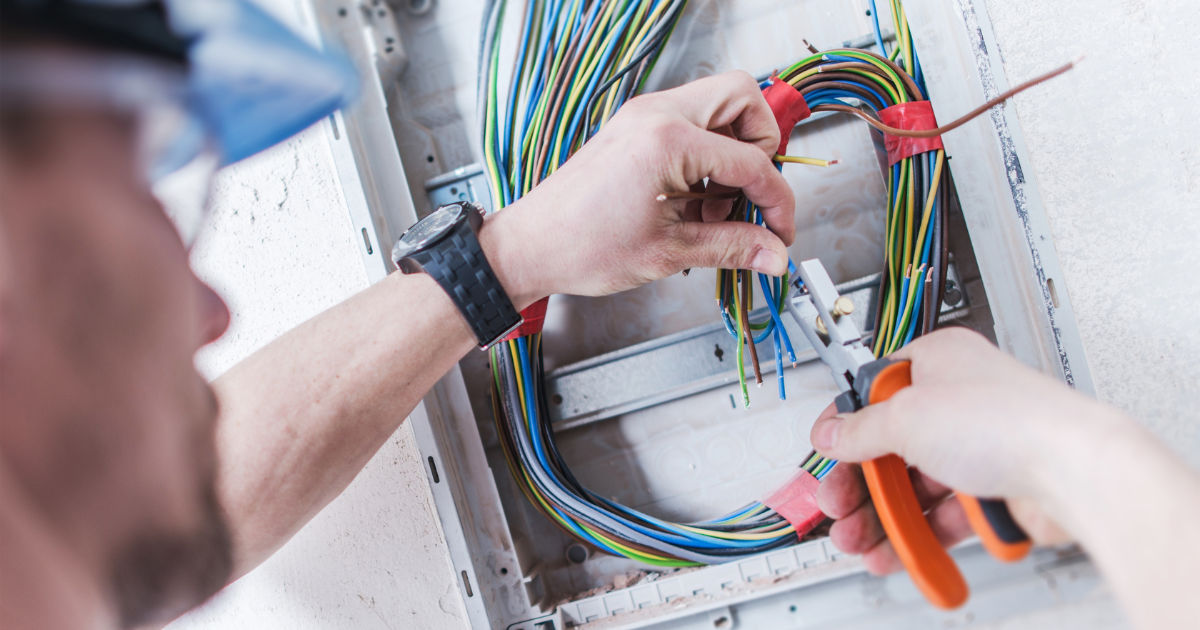
Understanding the risks associated with Aluminum Wiring is essential for homeowners, electricians, and anyone looking to maintain a safe living environment.
This guide provides a step-by-step approach to planning new wiring for renovation projects, from understanding basic electrical concepts to implementing a safe and efficient wiring system by PowerLink Co Pakistan.
What Is Aluminum Wiring?
Aluminum wiring is a type of electrical wiring that uses aluminum as the conductor instead of copper. It became popular during the mid-20th century when copper prices skyrocketed. Aluminum is lighter and cheaper than copper, making it a cost-effective choice for home wiring.
While it performs a similar function as copper, aluminum has different physical and chemical properties. These differences contribute to unique safety challenges, which we will discuss in detail.
Why Aluminum Wiring Was Used
The main reasons aluminum wiring became popular include:
-
Cost Efficiency: Aluminum was much cheaper than copper, reducing the overall construction cost of homes.
-
Lightweight: Aluminum is lighter than copper, making installation easier, especially in large residential projects.
-
Availability: During certain periods, copper was scarce, while aluminum was more readily available.
Despite these advantages, aluminum wiring has certain drawbacks that affect safety, efficiency, and longevity.
Safety Concerns Associated with Aluminum Wiring
The use of Aluminum Wiring comes with several safety risks that homeowners should know about. These risks can increase the likelihood of electrical fires, equipment failure, and other hazards.
1. Oxidation and Corrosion
Aluminum naturally forms an oxide layer when exposed to air. This layer is non-conductive, which can cause poor connections at electrical terminals. Poor connections increase resistance, leading to overheating and potential fire hazards.
2. Expansion and Contraction
Aluminum wiring expands and contracts more than copper when heated. This repeated movement can loosen connections over time, creating arcing and sparking that pose fire risks.
3. Overheating
Due to its higher electrical resistance compared to copper, aluminum wiring can carry less current safely. Using aluminum wiring with devices not rated for it can cause overheating, damaging insulation and increasing fire hazards.
4. Compatibility Issues
Aluminum is often incompatible with certain types of electrical devices, especially those designed for copper wiring. Improper connections between aluminum and copper wiring can lead to galvanic corrosion and poor conductivity.
Common Problems with Aluminum Wiring
Recognizing common problems associated with aluminum wiring is essential for ensuring safety in older homes.
1. Loose Connections
Loose connections are the most frequent problem. As aluminum expands and contracts, terminal screws can loosen, causing sparks and overheating.
2. Discolored Outlets
Overheating can cause outlets and switches to discolor, turning brown or black. This is a warning sign that there may be a fire risk.
3. Flickering Lights
Lights that flicker intermittently can indicate loose wiring or poor connections. While flickering may have other causes, in homes with aluminum wiring, it should be investigated promptly.
4. High Energy Bills
Poor conductivity in aluminum wiring can increase energy resistance, leading to higher energy consumption. This might appear as unexpectedly high electricity bills.
Detecting Aluminum Wiring in Your Home
If you live in a house built in the 1960s or 1970s, there is a chance it contains aluminum wiring. Detecting it early can prevent serious hazards.
1. Visual Inspection
Check the wires at outlets, light switches, and circuit breakers. Aluminum wiring is usually marked with “Al” or “Aluminum” on the wire insulation.
2. Professional Inspection
A licensed electrician can safely inspect your home to determine if aluminum wiring is present and assess its condition.
3. Signs of Trouble
Look for discolored outlets, warm switches, flickering lights, or burning smells. These are clear indicators of potential wiring issues.
Safety Solutions for Aluminum Wiring
If your home has aluminum wiring, there are several ways to improve safety without replacing the entire system.
1. COPALUM Crimping
COPALUM crimp connectors are the most recommended solution. They create a secure connection between aluminum and copper wires, reducing fire risks. This method requires a licensed electrician trained in COPALUM installation.
2. AlumiConn Connectors
AlumiConn connectors are another safe method for connecting aluminum wiring to devices designed for copper. These connectors are easier to install than COPALUM and provide long-term safety.
3. Regular Maintenance
Routine inspections of aluminum wiring can prevent hazards. Tighten connections, replace damaged outlets, and check for overheating regularly.
4. Avoid DIY Repairs
Never attempt DIY repairs on aluminum wiring unless you are a certified electrician. Improper handling can increase the risk of fire.
Replacing Aluminum Wiring
In some cases, homeowners may choose to replace aluminum wiring entirely.
1. Complete Rewiring
Replacing aluminum wiring with copper wiring ensures long-term safety. While this is the most expensive option, it eliminates risks associated with aluminum.
2. Partial Rewiring
Some homeowners may opt to replace aluminum wiring only in critical areas, such as outlets, light fixtures, and high-load circuits. This reduces costs while improving safety.
3. Considerations
Before rewiring, assess the home’s age, budget, and intended usage. A professional electrician can provide an estimate and help decide whether full or partial replacement is best.
Aluminum Wiring and Home Insurance
Many insurance companies are aware of the risks associated with aluminum wiring. Homeowners may face higher premiums or restrictions if their home has aluminum wiring.
1. Disclosure Is Important
When buying or selling a home with aluminum wiring, disclose it to the insurance company. Failure to disclose could lead to denied claims in case of a fire.
2. Risk Mitigation
Insurance companies may require inspections, repairs, or the use of connectors like COPALUM or AlumiConn before issuing coverage.
Myths About Aluminum Wiring
There are several myths surrounding aluminum wiring. Understanding the facts is important to avoid unnecessary panic.
Myth 1: Aluminum Wiring Always Causes Fires
Not all aluminum wiring is dangerous. When properly installed and maintained, it can function safely. The danger arises primarily from older installations with poor connections.
Myth 2: You Must Replace All Aluminum Wiring
Replacement is not always necessary. Safe connectors, routine inspections, and careful usage can mitigate most risks.
Myth 3: Aluminum Wiring Is Inferior to Copper
Aluminum is less conductive than copper but not inherently unsafe. Its properties require specific handling, not complete avoidance.
Tips for Homeowners With Aluminum Wiring
If your home contains aluminum wiring, follow these practical tips for safety:
-
Schedule professional inspections regularly.
-
Use only devices rated for aluminum wiring or approved connectors.
-
Avoid overloading circuits.
-
Replace damaged outlets or switches immediately.
-
Consider long-term safety upgrades like COPALUM connectors or partial rewiring.
The Importance of Awareness
Awareness is the first step toward safety. Many homeowners are unaware that their house contains aluminum wiring until problems arise. Understanding the risks, recognizing signs of trouble, and taking proactive measures can prevent fires and save lives.
Conclusion
Aluminum wiring played an important role in the history of home construction, offering a cost-effective alternative to copper. However, it comes with unique safety concerns, including oxidation, expansion, overheating, and compatibility issues.
Homeowners should know how to identify aluminum wiring, recognize potential hazards, and implement safe solutions like COPALUM or AlumiConn connectors. In some cases, partial or full rewiring may be the best option for long-term safety.
Proper maintenance, regular inspections, and professional guidance can mitigate most risks associated with aluminum wiring. Understanding these factors ensures not only a safer home but also peace of mind.
In the end, aluminum wiring is not inherently dangerous, but ignorance and improper handling can lead to serious consequences. By staying informed and proactive, homeowners can safely manage aluminum wiring and protect their families.